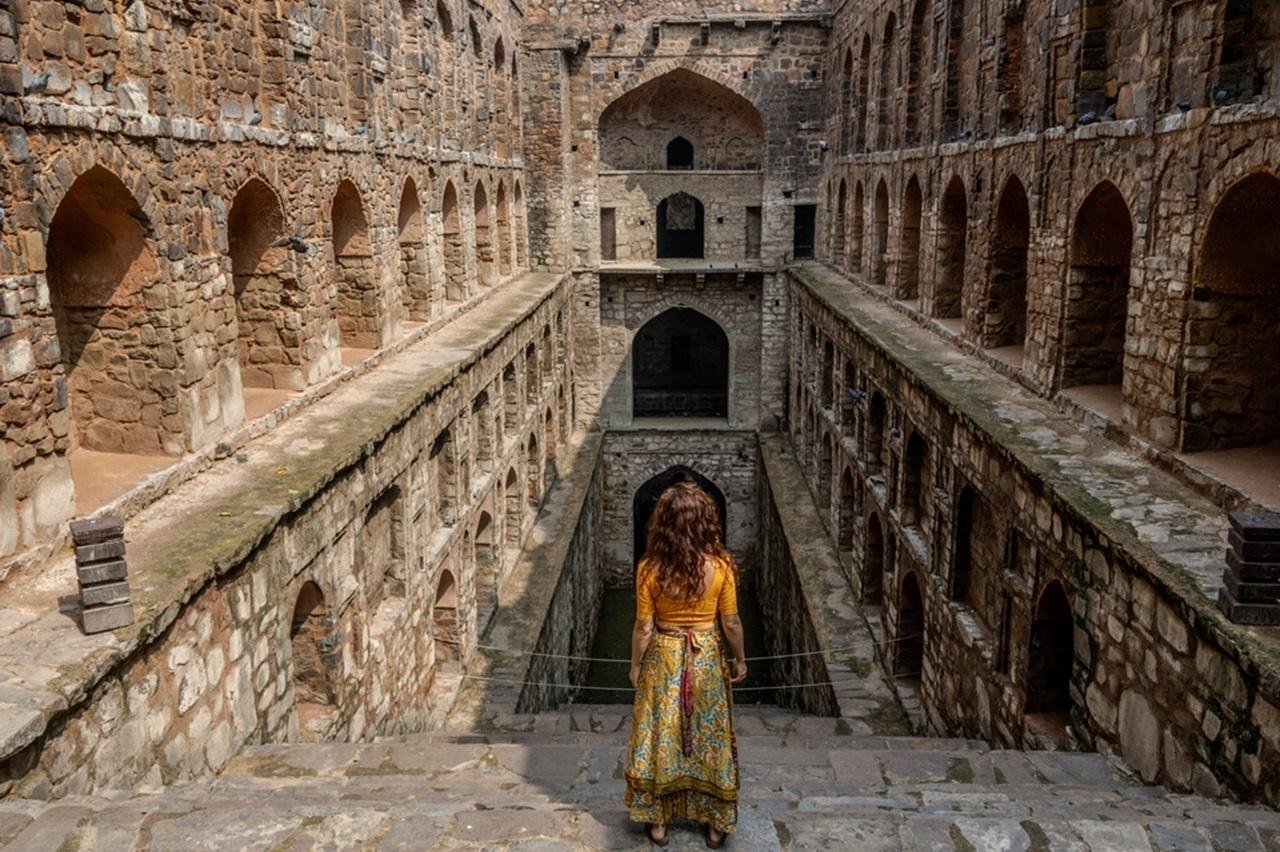
Delhi holds the rare distinction of being continuously inhabited for more than three thousand years, a depth of settlement visible not in any single monument but in the sheer density of ruins, mosques, tombs, and fortifications that surface beneath every new layer of the city.
Read moreShow less
Delhi Tours draw travelers precisely because no other Indian capital concentrates so many eras into one navigable metropolitan space: Lodi-era garden tombs stand within walking distance of Lutyens's grand ceremonial axis, while the lanes of Shahjahanabad — the Mughal city built by Shah Jahan in the seventeenth century — press against the rear walls of a functioning twenty-first-century metro system.
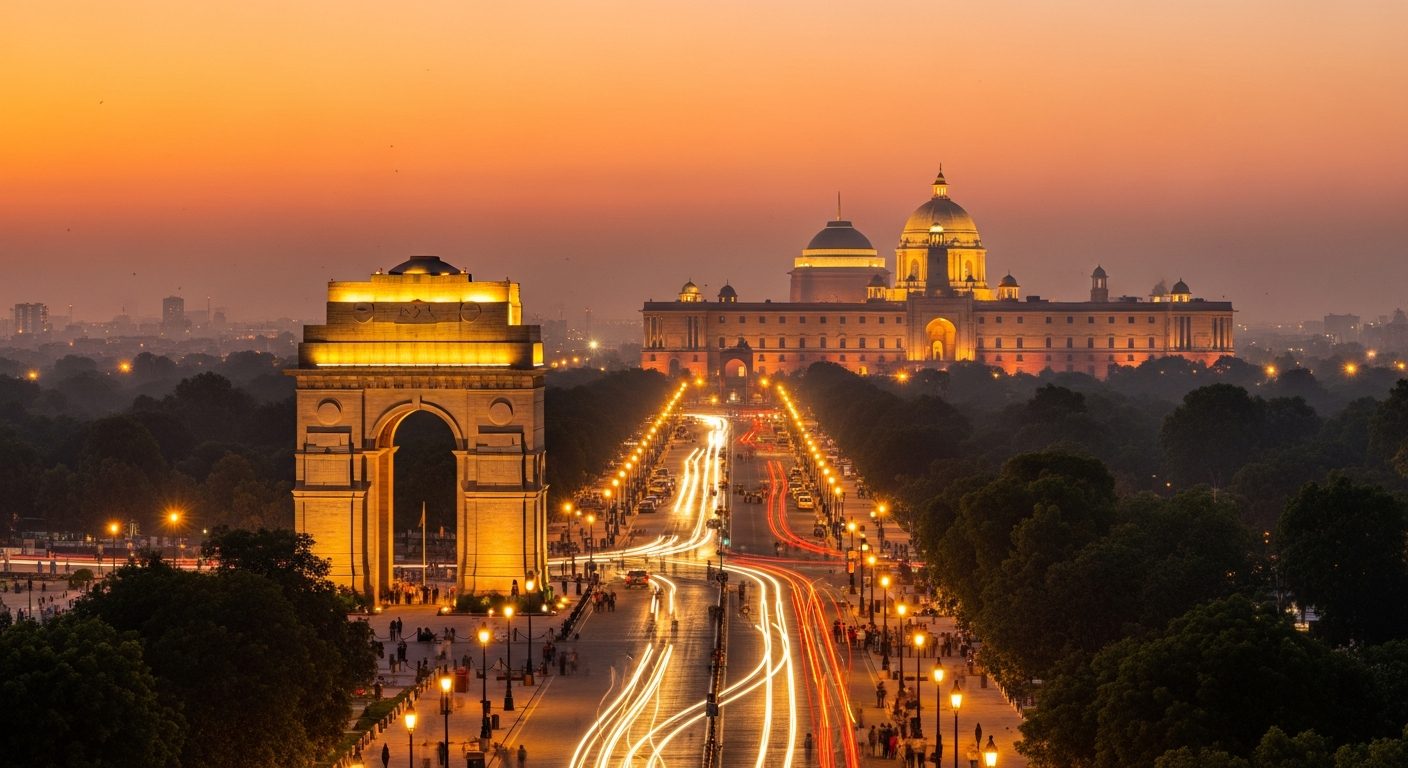
What defines Delhi today is productive contradiction. The walled city that crowds around the Jama Masjid, one of South Asia's largest mosques, operates at a medieval pace of commerce: hand-pulled carts, wholesale spice auctions, and mithai shops unchanged in recipe for generations. A short Metro ride south, Lutyens Delhi opens into wide tree-lined avenues where the Rashtrapati Bhavan and India Gate anchor a ceremonial landscape designed to project imperial permanence. Both worlds are real, and any serious Delhi sightseeing experience moves between them.
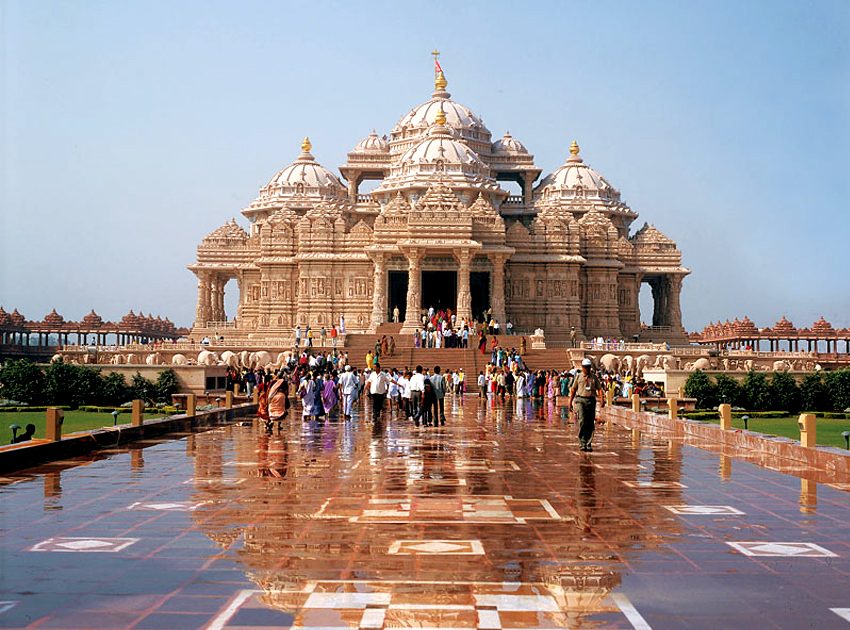
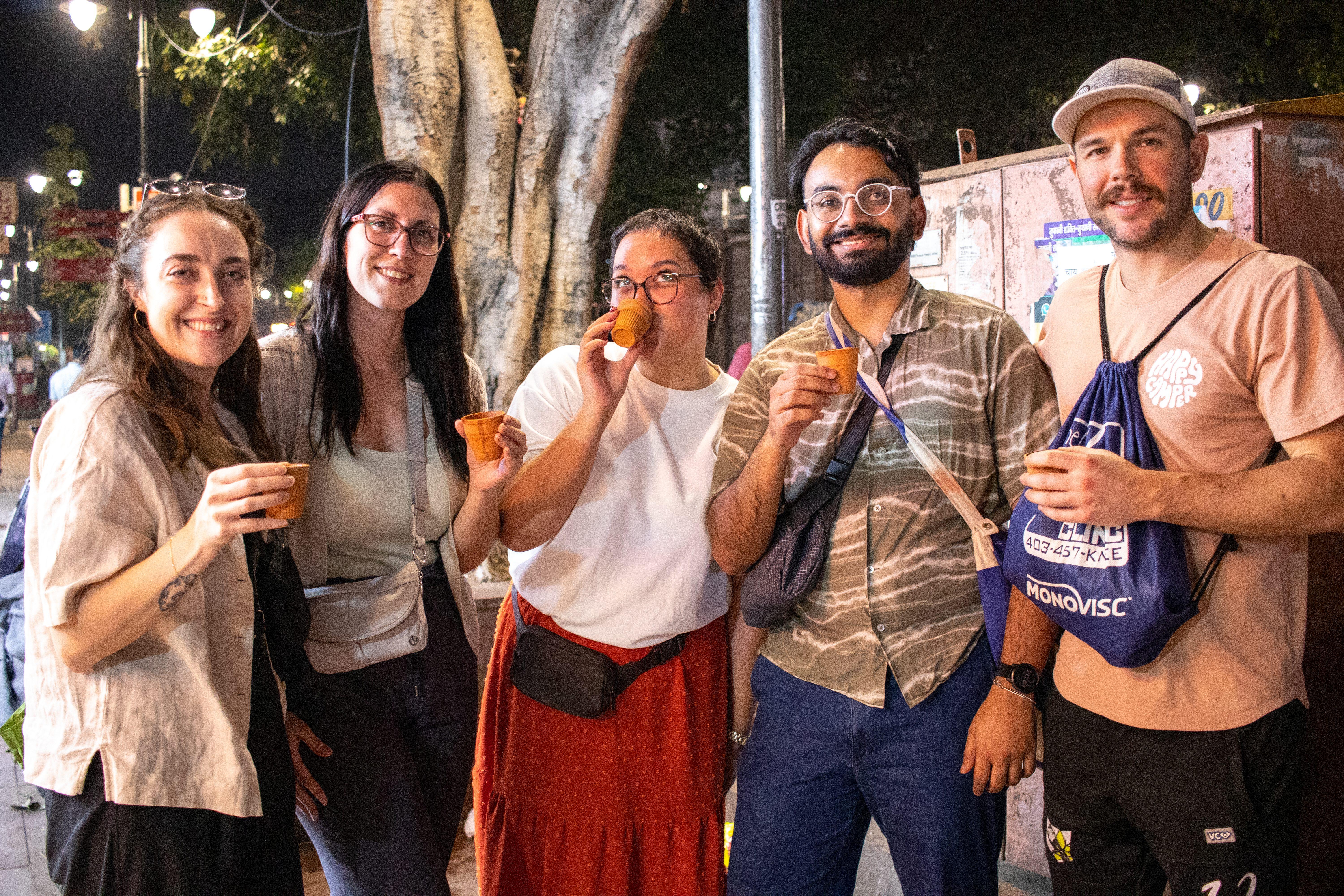
The city's landmark attractions work best understood as a sequence rather than a checklist. The Red Fort, the sandstone citadel that anchors the old city's northern edge, anchors the historical narrative that temple and mosque tours then extend into devotional Delhi — the Akshardham complex, the Jama Masjid, the Sufi dargahs of Nizamuddin. Food tours concentrate this geography further, threading through Paranthe Wali Gali and the chaotic wholesalers of Khari Baoli, where saffron, dried rose petals, and fifty varieties of lentil are sold by the kilogram. Night tours reveal a third city: floodlit monuments, rooftop restaurant terraces, and the cooler air that transforms Connaught Place from a daytime commercial hub into an evening gathering point.
Delhi also functions as the anchor of longer regional journeys. The Golden Triangle circuit linking Delhi, Agra, and Jaipur remains the most-traveled cultural route in South Asia, and day trips to Jaipur or the Ranthambore tiger reserve extend naturally from the capital. The destination suits independent travelers seeking historical depth, families navigating a first India trip, and dedicated food enthusiasts who regard a Delhi food tour as reason enough to book a flight. With a population of 23 million and a cultural output to match, the city asks only that visitors arrive with patience and leave with more questions than they arrived with — which is precisely what makes Delhi Tours worth planning carefully.
“Delhi does not ask to be understood all at once — it asks to be returned to.”
Mughal Architecture
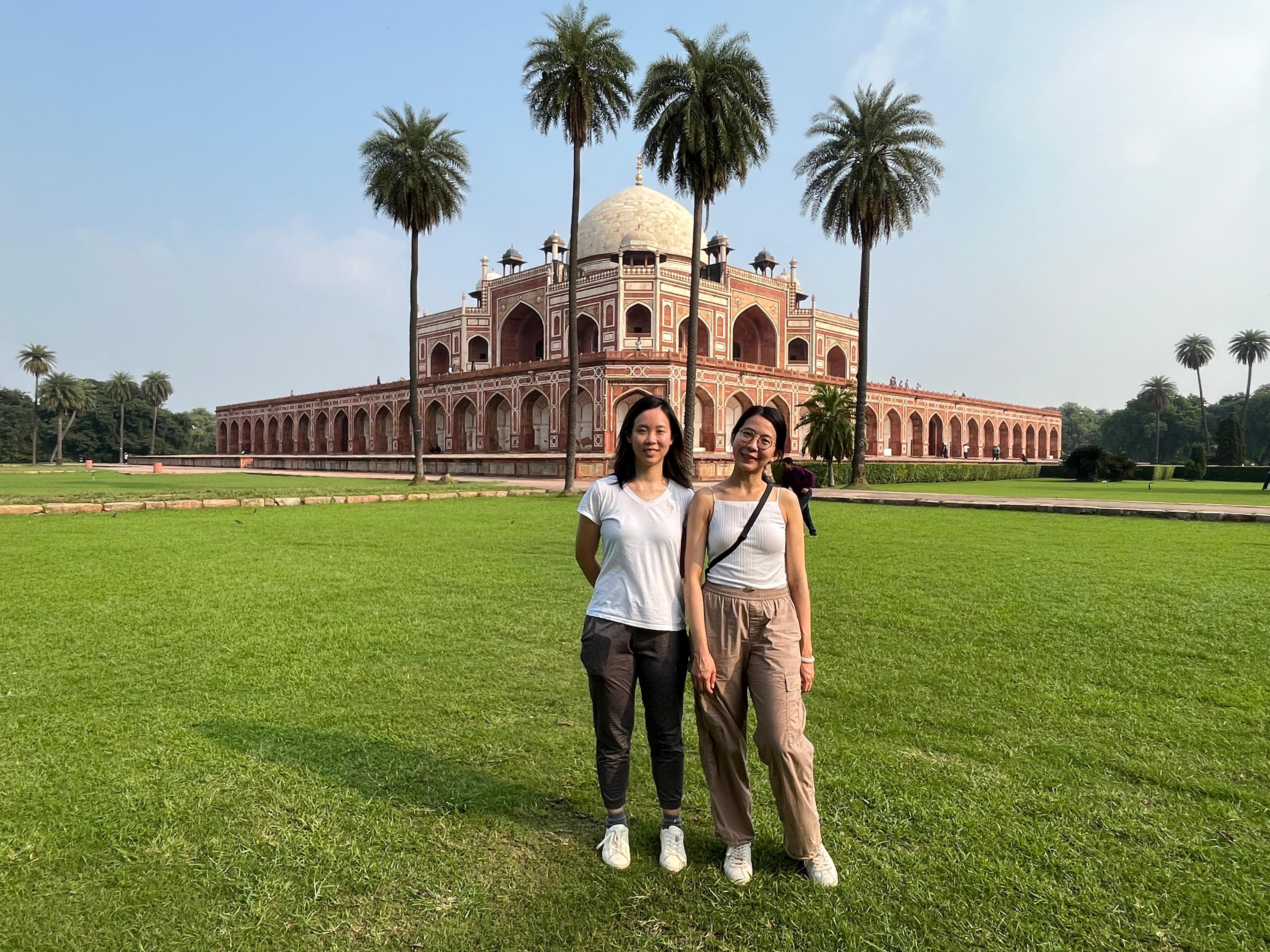
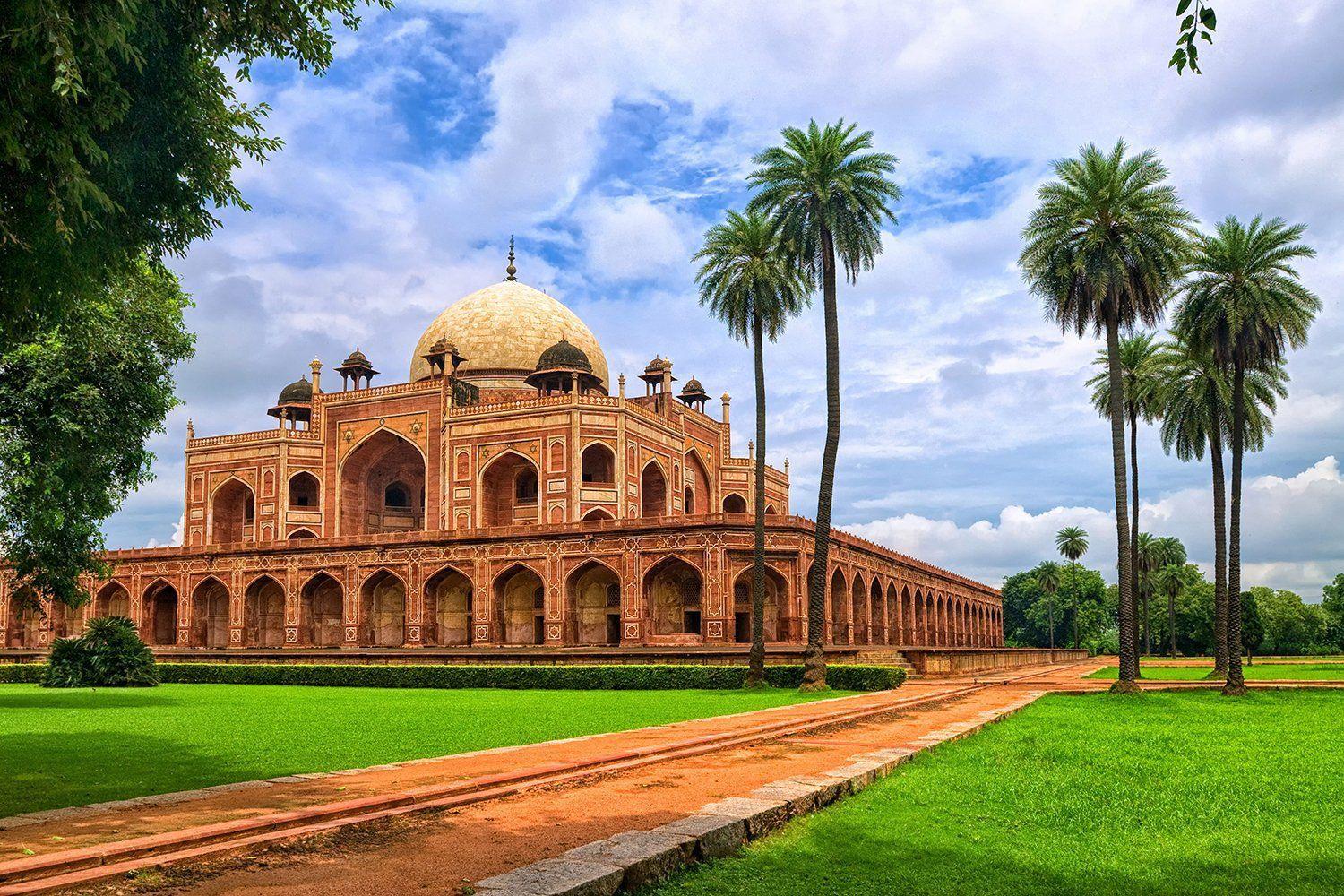
Delhi holds more UNESCO World Heritage Sites than almost any comparable city in Asia, anchored by the Red Fort and Humayun's Tomb.
Old Delhi Bazaars
Chandni Chowk's dense grid of spice markets, textile lanes, and century-old sweet shops forms one of the subcontinent's great street-level experiences.
Gateway to the Golden Triangle
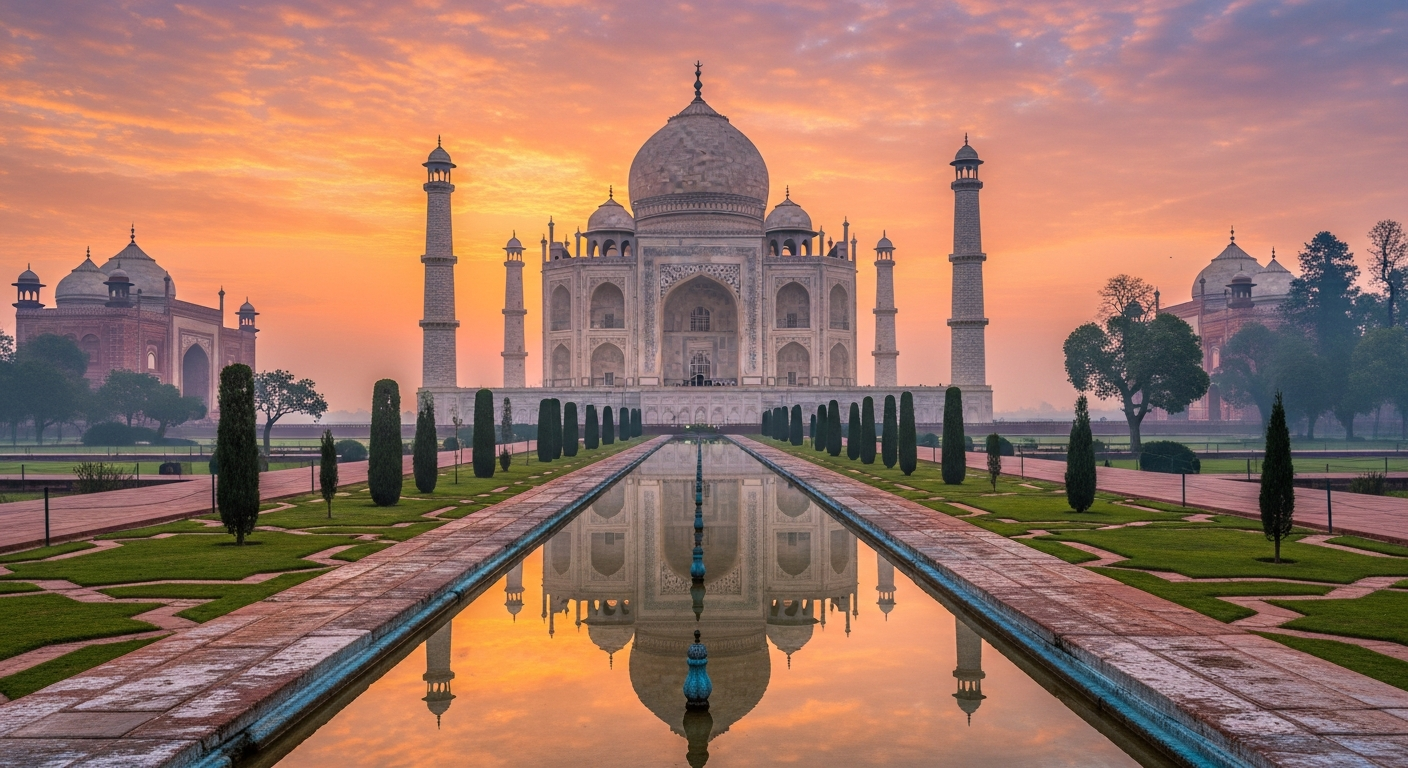
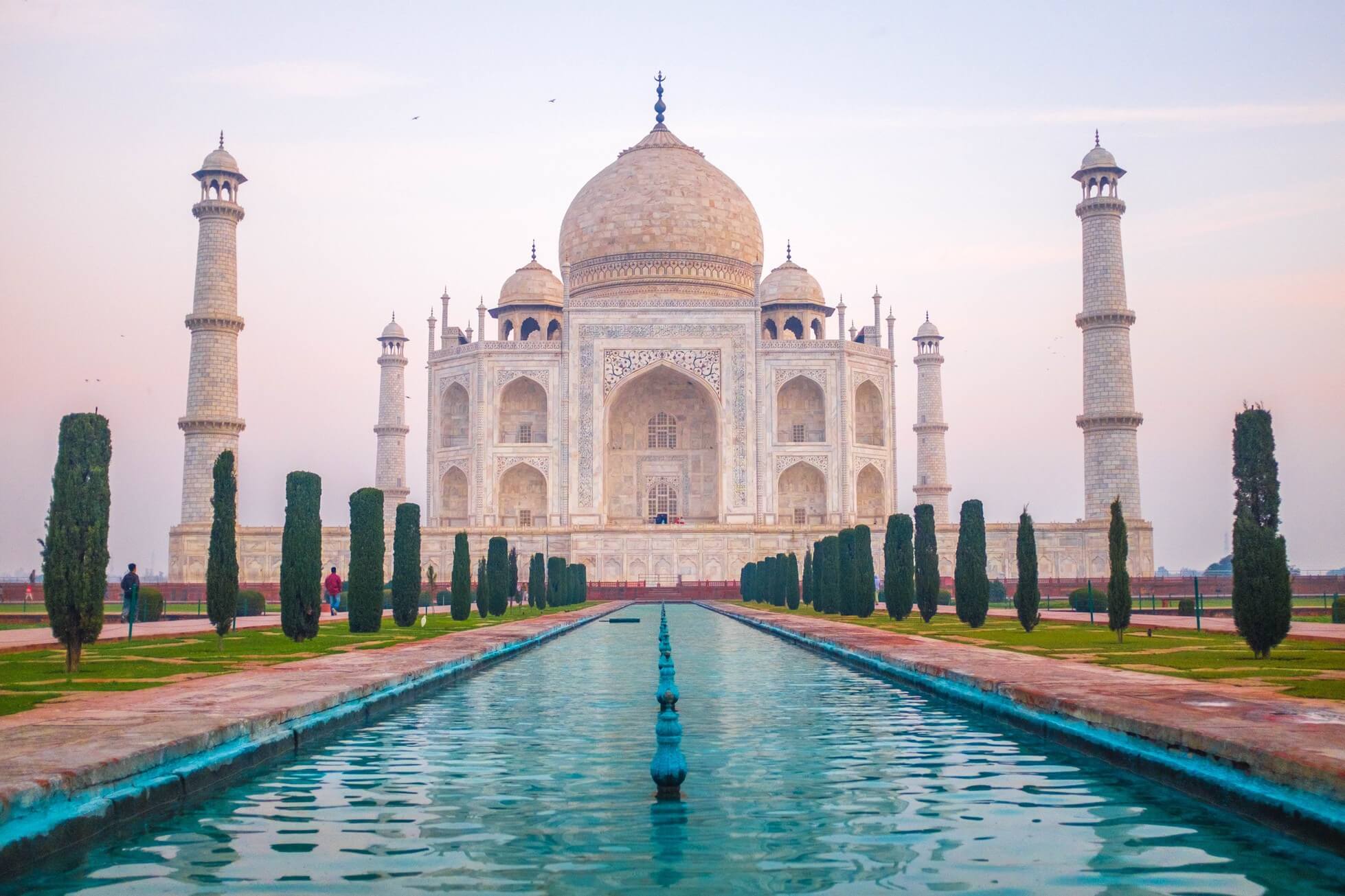
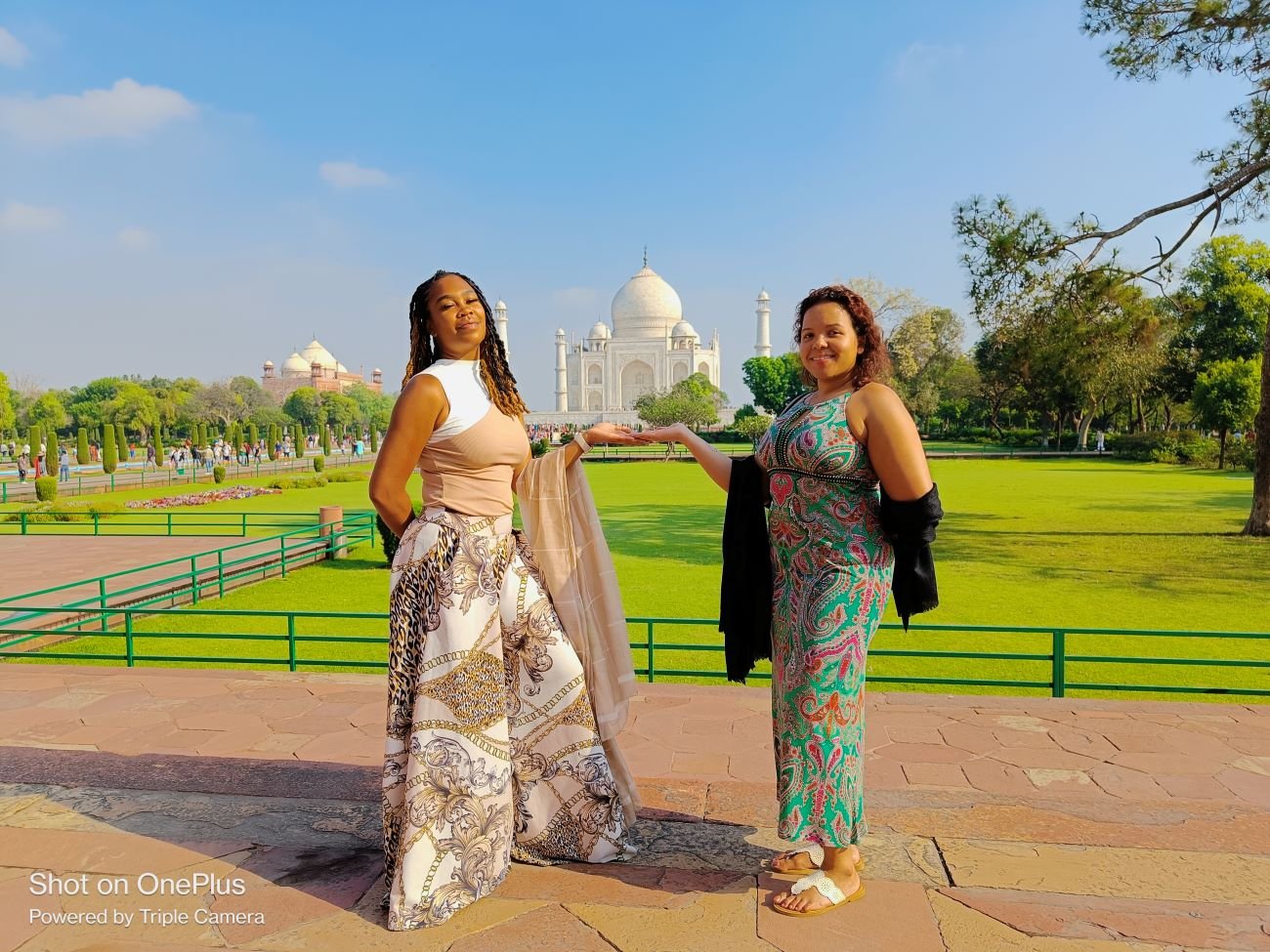
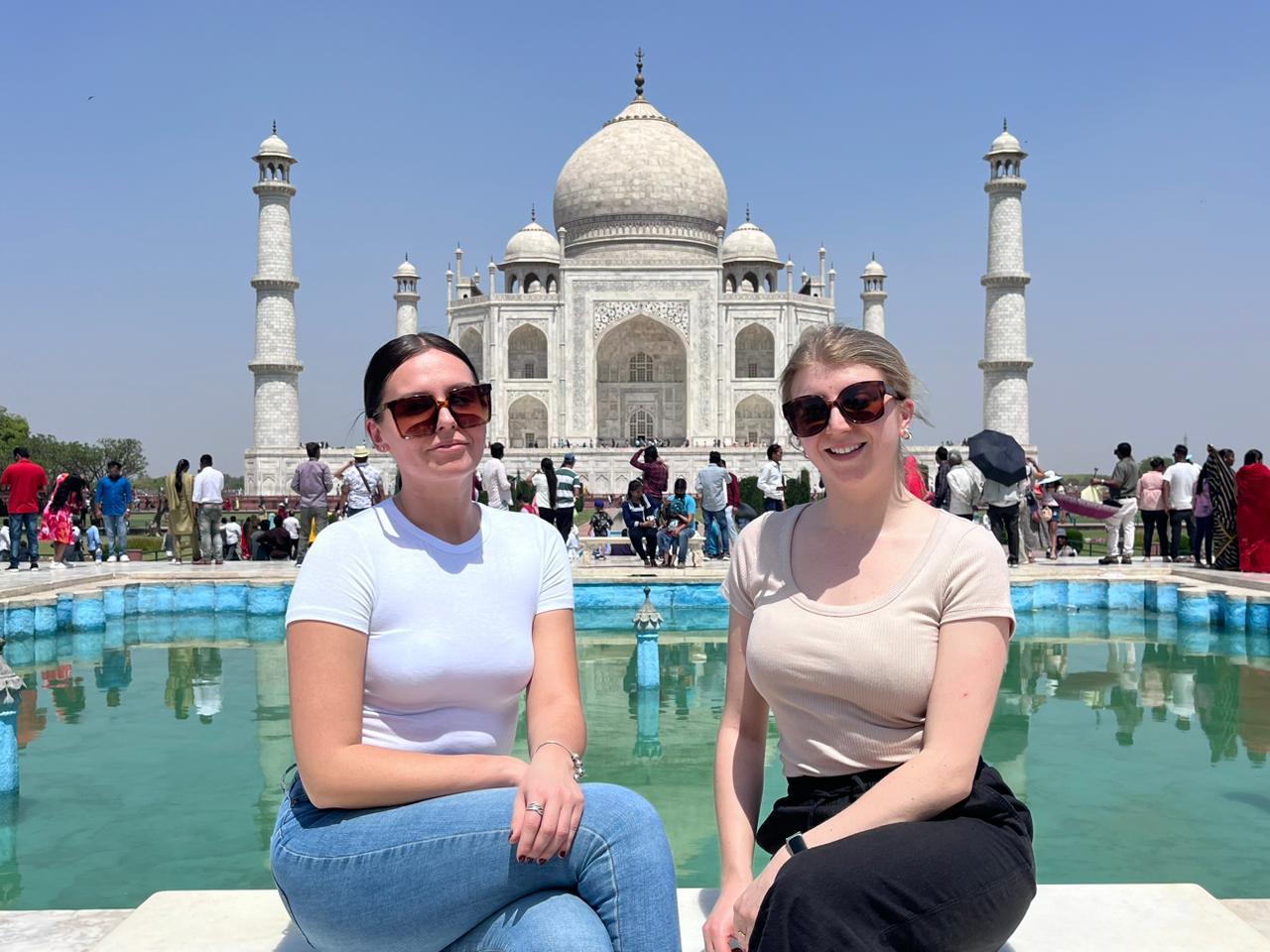
Delhi serves as the natural starting point for road journeys to Agra's Taj Mahal and the pink-walled palaces of Jaipur.
Most popular
Top attractions in Delhi
Delhi rewards visitors who know how to navigate its layers. From Mughal-era monuments and living temples to immersive food lanes and after-dark skylines, every tour format unlocks a different side of the city. Whether you prefer a curated private experience or a themed group outing, the eight tour styles below cover distinct territory — scan by category to find the one that matches how you actually want to spend your time in Delhi.
Maximizing Your Time: Custom Itineraries for Delhi Tours
Delhi rewards visitors who plan each day around a clear theme — weaving together Old City lanes, Mughal monuments, temple circuits, and evening neighbourhoods into a coherent journey. These three blueprints move in logical geographic clusters so transit time stays short and energy is spent at the sites rather than between them. Tailor the pace to your group: a private guided format compresses the learning curve and unlocks context that solo exploration misses.
1
Morning
Red Fort and Chandni Chowk Arrival
Start at Red Fort, the sandstone Mughal citadel that anchors Old Delhi; allow 90 minutes to walk the ramparts and Diwan-i-Am before the midday heat builds. From the exit, Chandni Chowk's main lane is a five-minute walk north.
Join a guided walk through the Paranthe Wali Gali and Kinari Bazaar to sample street food alongside local traders — a structured food tour covers more ground and safer choices than wandering alone.
India's largest mosque sits a short walk from Chandni Chowk; remove shoes at the gate, climb the southern minaret for a rooftop view over the old city, and budget about 45 minutes.
4
Afternoon
Raj Ghat
The black-granite memorial to Mahatma Gandhi is a calm contrast to the market lanes; a quiet 30-minute stop before the late afternoon crowds arrive.
End the day on a night tour that takes in flood-lit India Gate, Parliament House, and Connaught Place after dark, when the heat drops and the monuments photograph cleanly.
A dedicated temple tour visits Akshardham, Lotus Temple, and Laxminarayan Mandir in sequence; the logical south-to-north routing avoids backtracking and each site is open by 09:00.
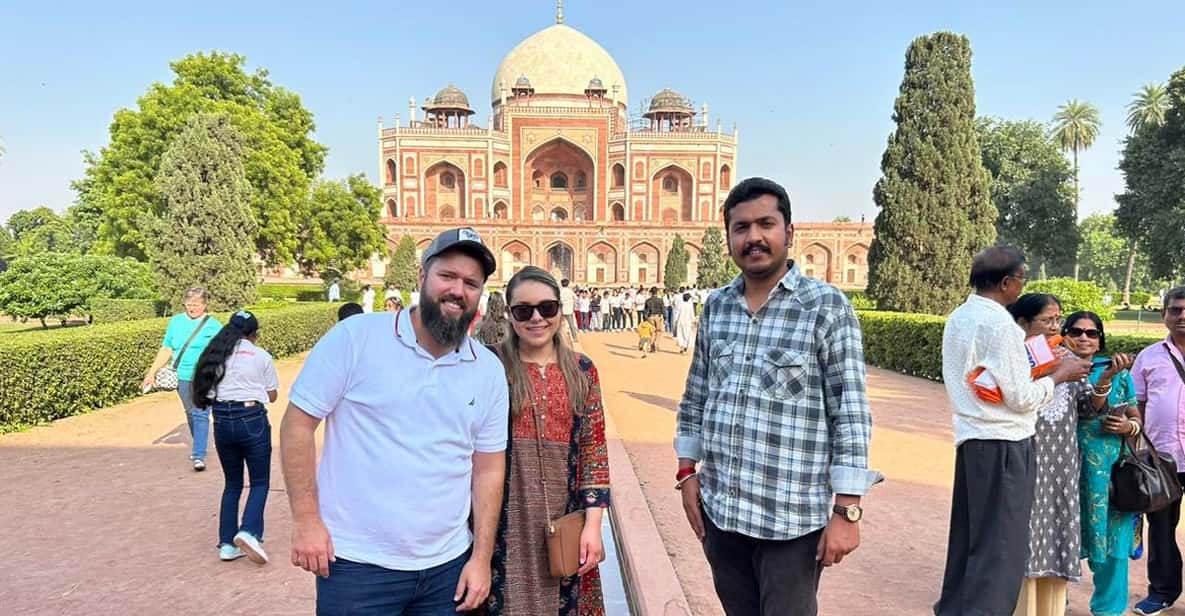
The Mughal garden tomb that directly influenced the Taj Mahal design; plan 75 minutes to walk the char bagh layout and the surrounding Isa Khan enclosure.
3
Afternoon
Qutb Minar Complex
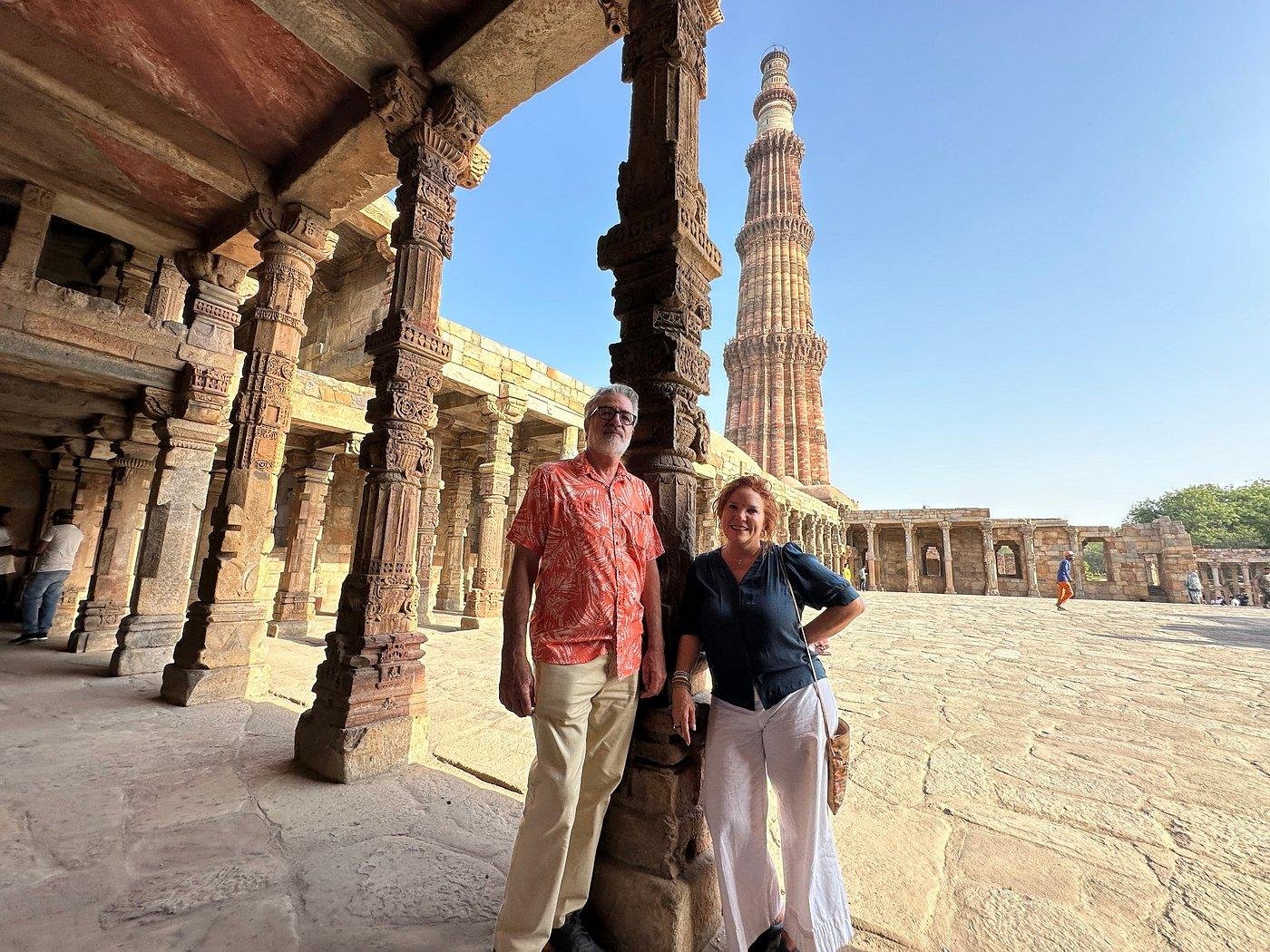
A 20-minute taxi ride south brings you to the 12th-century minaret and Iron Pillar; the shaded pathways make the afternoon heat manageable and the complex rarely crowds until sunset.
4
Evening
Hauz Khas Village
The restored medieval reservoir and surrounding lanes fill with cafes and galleries by early evening; a 45-minute browse before dinner works well as a low-key close to a temple-heavy day.
A private guide collects you from your hotel and sequences Lodhi Garden, Crafts Museum, and the diplomatic enclave in a half-day loop tailored to your interests and pace.
The country's largest museum holds Harappan artefacts, Mughal miniatures, and Buddhist sculpture under one roof; a focused 60-minute visit with a guide covers the essential galleries without fatigue.
Depart by car or express train for Agra after lunch and arrive for the late-afternoon light on the Taj Mahal; a guided day trip handles the 200 km logistics and entry queue so you focus on the monument.
A 15-minute ride from the Taj brings you to the red-sandstone fort where Mughal emperors held court; the Musamman Burj tower frames a distant view of the Taj across the Yamuna.
5
Evening
Return to Delhi
Head back to Delhi in the early evening; the Gatimaan Express covers the route in under two hours and deposits you at Hazrat Nizamuddin station close to most central hotels.
Where to go
Navigating the Districts: Where to Focus Your Delhi Tours
Delhi is structured around distinct urban eras, contrasting the chaotic, dense lanes of the Mughal-built north with the orderly colonial grids of the center and the green, affluent suburbs of the south. Navigating these zones reveals how the metropolis transitioned from historic empires to a modern global capital. Understanding this layout helps visitors choose the right base, balancing sensory immersion with quiet residential comfort.
Old Delhi
Best for: Heritage · Markets · Historic sights
This high-density sector features narrow, labyrinthine alleys filled with wholesale markets and historic architecture like the Red Fort and Jama Masjid. It suits travelers looking to experience intense local commerce, traditional heritage, and bustling street scenes.
Connaught Place
Best for: Central hub · Shopping · Dining
Built as a Georgian-style ring of colonnaded buildings, this central business district serves as a major transit hub lined with global retail chains and corporate offices. It provides a structured, walkable layout with manicured central parks that appeal to business travelers and shoppers alike.
Hauz Khas Village
Best for: Nightlife · Cafes · Creative youth
This trendy urban village blends a medieval reservoir complex and tombs with a contemporary pedestrian zone of boutiques, design studios, and bars. It attracts a younger, creative crowd seeking a relaxed, bohemian atmosphere within South Delhi.
South Delhi
Best for: Upscale stays · Ruins · Shopping
This leafy, affluent residential region is home to upscale shopping malls and the ancient ruins of the Qutub Minar complex. Visitors seeking a quieter base will find tree-lined streets, high-end boutiques, and spacious parks.
Chanakyapuri
Best for: Quiet stays · Luxury · Diplomats
Designed as the city's diplomatic enclave, this manicured neighborhood boasts wide boulevards, foreign embassies, and manicured green spaces. It suits travelers looking for quiet walks, high-end hotels, and a serene atmosphere away from the urban bustle.
Getting around
Getting Around the Capital: Transport for Delhi Tours
Navigating Delhi is highly efficient thanks to its extensive rapid transit network and widely available ride-hailing services. The Delhi Metro provides a clean, air-conditioned escape from road traffic, while auto-rickshaws cover short-distance travel.
Metro
₹11–64 single ride
The Delhi Metro, operated by DMRC, is the most reliable way to bypass traffic across the capital. Key routes include the Yellow Line for cultural landmarks and the Violet Line for shopping districts.
Taxi
₹17/km after ₹40 base fare
App-based rides like Uber and Ola offer direct transport across the city. They provide a safe, air-conditioned option for navigating areas not directly served by the metro.
Rickshaw
₹30–100 typical fare
Auto-rickshaws are ubiquitous and ideal for short-distance trips. Agree on a fare before starting your journey, as drivers rarely use the meter for tourists.
From the airport: Travel from Indira Gandhi International Airport (DEL) to the city center takes 20 minutes via the Metro (Orange Line) and costs ₹60. Pre-paid taxis and app-based rides are also available outside the terminals.
When to go
Weather and Seasons: The Best Time for Delhi Tours
The peak window to visit Delhi is from October to March, when the city enjoys cool, comfortable weather ideal for outdoor sightseeing.
December–February
Cool and foggy, 8°C to 22°CHigh tourist volumes.
This period is ideal for exploring outdoor monuments, though morning flights and train schedules face delays due to dense fog. Republic Day celebrations occur in January.
October–November
Mild temperatures, 15°C to 30°CModerate to high.
Dussehra and Diwali bring festive markets, but agricultural burning in neighboring regions causes severe smog and poor air quality.
March–June
Hot and dry, 15°C to 45°CLow visitor numbers.
Temperatures rise rapidly in March and peak in May. Intense heat waves make daytime sightseeing difficult, though travelers can secure lower hotel rates.
July–September
Humid and rainy, 25°C to 35°CLow to moderate.
Heavy downpours offer relief from the summer heat but occasionally cause waterlogging and traffic congestion. Independence Day is celebrated in August.
Beyond the city
Beyond the Capital: Day Excursions and Delhi Travel Packages
While Delhi hosts numerous historic landmarks, traveling outside the capital reveals historic cities and diverse wildlife reserves. High-speed express trains operating from Delhi's central terminals make it possible to visit some of the country's most prominent cultural sights and return within a single day.
Agra (Taj Mahal)
1 hr 40 min
train from Hazrat Nizamuddin Station
Agra houses the white-marble Taj Mahal, Agra Fort, and the tomb of Itmad-ud-Daulah. Boarding the morning Gatimaan Express train allows you to explore these UNESCO World Heritage sites and return to the capital by nightfall.
Jaipur
3 hr 40 min
train from New Delhi Station
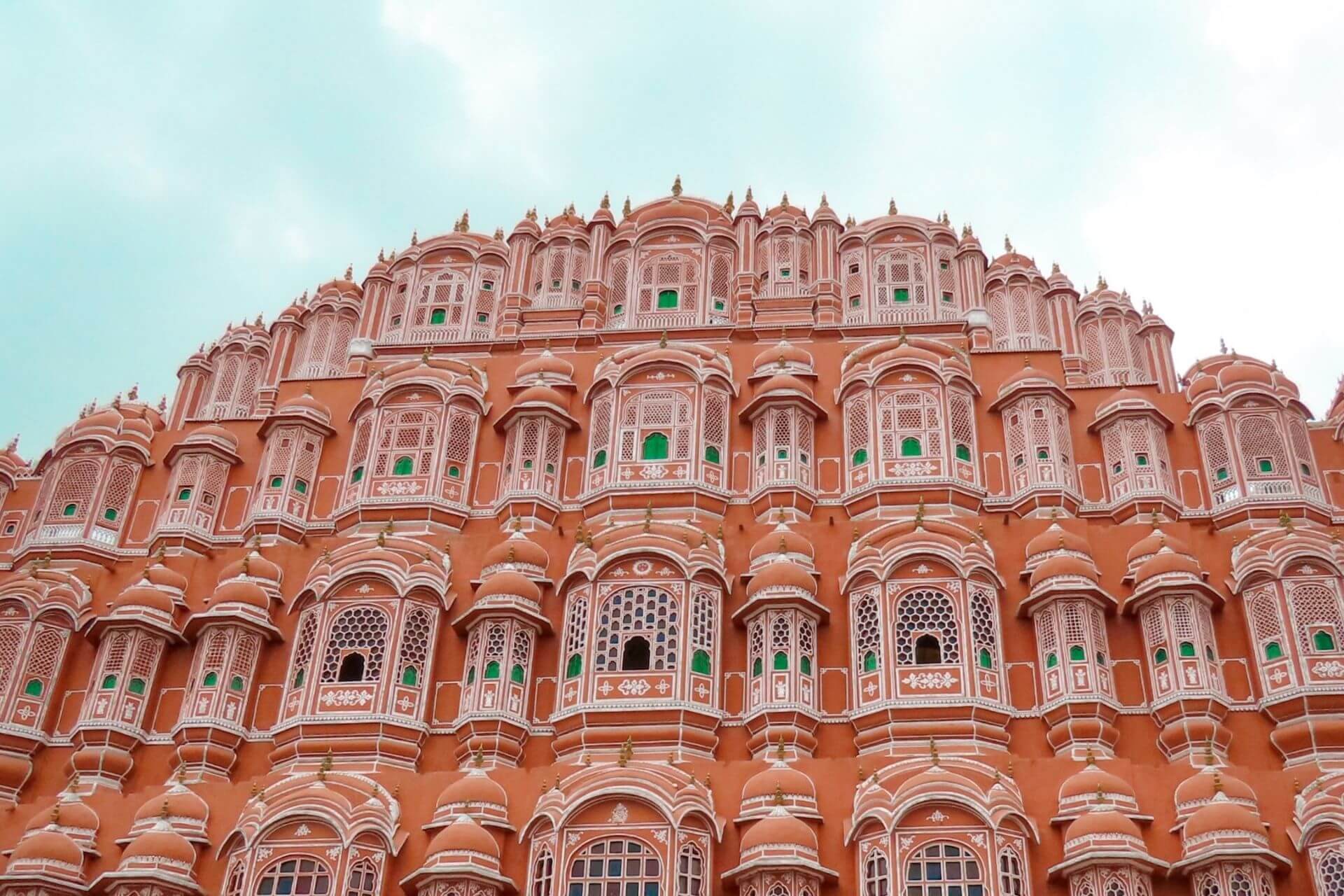
Known as the Pink City, the capital of Rajasthan features historic landmarks like the Hawa Mahal, City Palace, and hilltop Amber Fort. Taking the semi-high-speed Vande Bharat train provides a comfortable transit option for a full-day city excursion.
Ranthambore National Park
4 hours
train from Hazrat Nizamuddin Station
Situated in Sawai Madhopur, this park is one of the premier locations in northern India to see Bengal tigers in the wild. Booking an early express train allows visitors to join an afternoon safari vehicle and search for wildlife before heading back.
Food & drink
Chasing Flavors: Culinary Experiences on Delhi Sightseeing Trips
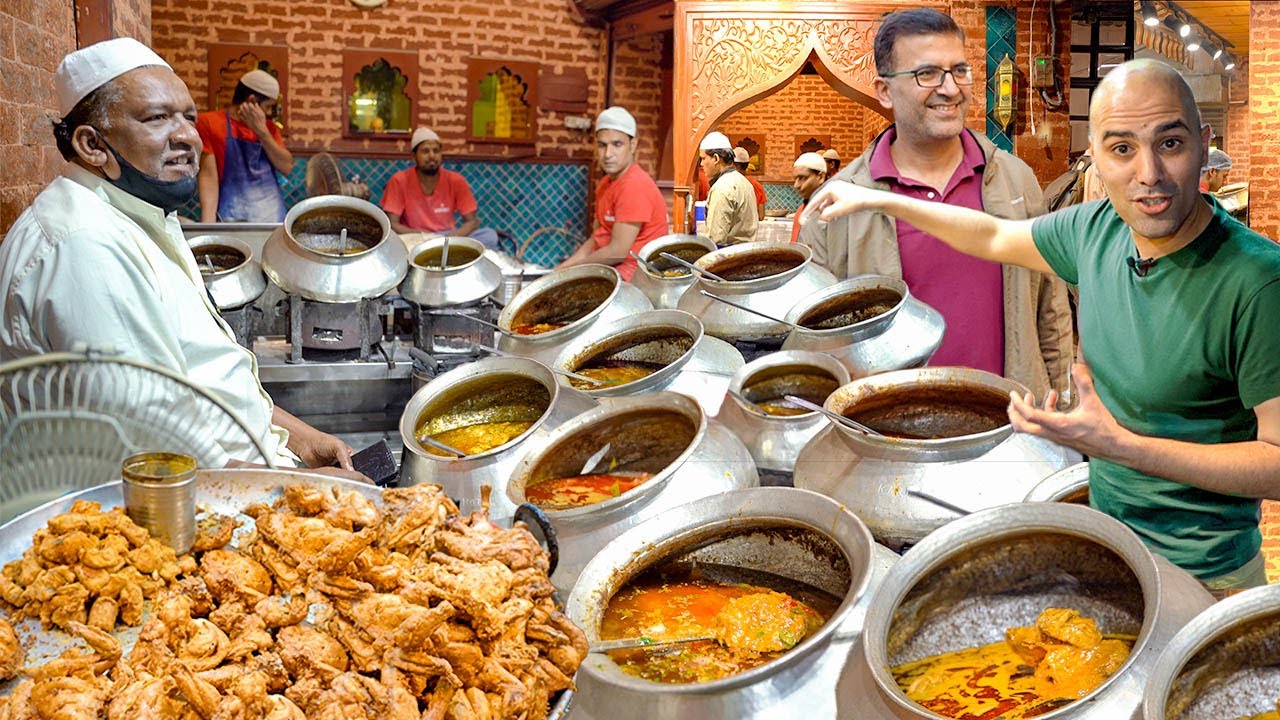
Delhi’s culinary heritage spans centuries, reflecting royal Mughlai traditions alongside a democratic street food culture. Guided walking tours navigate the narrow alleys of the old city to reveal time-tested recipes passed down through generations.
Paranthe Wali Gali
₹150–300
street
This historic street in Chandni Chowk is famous for deep-fried, stuffed flatbreads. Try the unique sweet and savory varieties at Pt. Babu Ram Devi Dayal Paranthe Wale.
Chole Bhature
₹100–200
dish
A quintessential Punjabi-Delhi breakfast of spicy chickpeas paired with deep-fried, puffed leavened bread. Savor the iconic version at Sita Ram Diwan Chand in Paharganj.
Jalebi
₹100–250
dish
Circular, deep-fried wheat batter soaked in cardamom-infused sugar syrup, often paired with thick rabri. The historic Old Famous Jalebi Wala at Dariba Corner serves them piping hot in pure ghee.
Butter Chicken
₹400–800
dish
Tandoori chicken pieces simmered in a rich tomato, butter, and cream gravy, created in Delhi in the mid-20th century. Sample the original version at Moti Mahal in Daryaganj.
Karim's
₹400–800
venue
Located near Jama Masjid, this historic restaurant is known for traditional Mughlai dishes like mutton korma and seekh kebabs. It represents the rich culinary legacy of the royal Mughal court.
The story
A Dynasty-by-Dynasty Guide to Delhi Historical Sightseeing
Delhi carries the weight of seven cities layered across its terrain, each built by a new dynasty over the ruins of the last. The earliest attested settlement, Indraprastha, is referenced in the Mahabharata, but recorded urban history begins with the Tomara Rajputs around the 10th century CE. The Slave Dynasty's Qutb ud-Din Aibak broke ground on the Qutb Minar in 1193, inaugurating an Islamic architectural tradition that would define Delhi's skyline for centuries. Planning Delhi Tours today still means tracing these successive foundations: the Mamluk citadel at Mehrauli, the Tughlaq fortress of Tughlaqabad built in 1321, and the Lodi gardens where Afghan sultans rest in garden tombs erected between 1451 and 1526.
The Mughal era produced the most visible stratum of Delhi landmarks. Humayun's Tomb, completed in 1572, introduced the double-dome form that later inspired the Taj Mahal. Shah Jahan shifted the capital from Agra and founded Shahjahanabad in 1638, enclosing it within red sandstone walls and anchoring it with the Jama Masjid, consecrated in 1656. The Red Fort complex, seat of Mughal power for two centuries, became a site of British proclamation after the 1857 uprising ended Bahadur Shah Zafar's reign.
British New Delhi, designed by Edwin Lutyens and Herbert Baker and officially inaugurated in 1931, imposed a neoclassical grid south of the Mughal city. With a population now exceeding 23 million, the capital absorbs all these layers simultaneously. Visitors on a heritage sightseeing tour can walk from a Lodi-era tomb to a Mughal mosque to a colonial secretariat within a single afternoon, the dynasties legible in stone at every turn.
10th c.
Tomara Rajputs establish a fortified settlement at Lal Kot near present-day Mehrauli, founding the earliest recorded city on Delhi's terrain.
1193
Qutb ud-Din Aibak begins construction of the Qutb Minar, marking the start of Delhi Sultanate rule and Islamic monumental architecture in northern India.
1321
Ghiyas ud-Din Tughlaq builds Tughlaqabad, the third city of Delhi, as a massive fortified capital intended to consolidate Tughlaq dynastic power.
1451–1526
Lodi sultans rule from Delhi and construct the garden tomb complexes now preserved as Lodi Garden, introducing a distinct Afghan-Mughal transitional style.
1638
Mughal emperor Shah Jahan founds Shahjahanabad, the seventh city of Delhi, commissioning the Red Fort and the Jama Masjid as its twin monuments of imperial authority.
1857
The suppression of the uprising against the British East India Company ends with the exile of the last Mughal emperor, Bahadur Shah Zafar, and direct Crown rule begins.
1931
New Delhi, designed by Edwin Lutyens and Herbert Baker, is officially inaugurated as the capital of British India, introducing a neoclassical planned district south of the Mughal city.
FAQ
Frequently asked questions about visiting Delhi
Everything you need to know about visiting Delhi Tours
The peak season for travel runs from October to March, when the winter months offer comfortable weather and cooler temperatures for sightseeing. Booking your Delhi Tours during this period ensures you avoid the intense summer heat and monsoon rains. You can consult the official tourism site at https://delhitourism.gov.in for seasonal events.
From Indira Gandhi International Airport (DEL), the quickest option is the Metro (Orange Line). This transit link takes about 20 min to reach the city center and costs ₹60. Taxis are also available outside the terminals if you prefer a direct ride to your hotel.
Daily expenses are relatively reasonable when exploring various things to do in Delhi. A mid-range meal typically costs ₹300–600, while a coffee ranges between ₹150–250, and a local Masala Chai costs ₹15–30. For transport, taxis charge a ₹40 base fare and ₹17/km thereafter, making Delhi Tours quite budget-friendly.
The public transit network is operated by the DMRC (Delhi Metro) and is highly efficient. A single ride costs between ₹11–64 depending on the distance traveled. Visitors can also purchase a day pass for ₹200, which includes a refundable ₹50 deposit.
While Hindi is the primary local language, English is widely spoken throughout the service sector. You will easily communicate with guides, hotel staff, and drivers during Delhi Tours. Standard signs across the transit network are also displayed in English to assist international visitors.
A classic local Dilli darshan route covers major architectural marvels across the city. You will typically explore the Mughal-era Jama Masjid, the red sandstone walls of the Red Fort, and the historic streets of Chandni Chowk by rickshaw. Other prominent stops include the soaring Qutub Minar and the detailed stone carvings of Humayun's Tomb.
Exploring famous Delhi landmarks is generally safe if you stick to well-traveled areas and use official transport. Keep your valuables secure in crowded markets and use registered taxis or the metro system during the day. Solo travelers should remain vigilant, especially after dark.
Tipping is appreciated but not mandatory when booking Delhi Tours. For guides and drivers, a small gratuity of ten percent is standard for good service. In restaurants, check if a service charge is already added to your bill before leaving extra cash.
Ready to Explore?
Choose from amazing attractions and create unforgettable memories in this beautiful city