
4 hr
Old Delhi Street Food & Rickshaw Adventure
- Entry ticket
- Mobile voucher
- Valid same day
- Free cancellation
Delhi Food Tour — Guided Street Food & Culinary Walks
Ancient lanes, living flavors, one unforgettable morning
Compare fares, pick the fit — all bookings are mobile-voucher and eligible for free cancellation where shown.
4 hr
3 hr 30 min
4 hr
They complement each other; most travelers who do both call the classic Delhi culinary tour of the old city the more authentic experience, but selecting a delhi food tour tour through Old Delhi's dense alleys requires a high tolerance for chaos. Navigating these historic pathways offers unmatched sensory richness but brings intense noise and crowds.
|
Top pick Delhi Food Tour |
New Delhi Food Tour | |
|---|---|---|
| Culinary Focus | Traditional street food and heritage sweets | Modern fusion and contemporary café dishes |
| Atmosphere & Vibe | Historic, intense, sensory-heavy street markets | Cosmopolitan, relaxed, upscale restaurant spaces |
| Crowd & Chaos Level | Very high; narrow, bustling alleyways | Low to moderate; spacious boulevards |
| Pacing & Cleanliness | Fast-paced walking; basic street hygiene | Leisured sit-down dining; standardized restaurant hygiene |
| Ideal For | Adventurous foodies seeking authentic history | Travelers preferring comfort and modern venues |
| See tickets & prices |
Verdict: If you want to experience heritage sweets and bustling street vendors, buy delhi food tour tickets for the historic lanes. This choice rewards you with ancient recipes that have defined the city's culture for generations. Conversely, those seeking a relaxed pace with contemporary dining options should look into delhi food tour tours to explore the capital's modern café culture instead.
Hand-picked experiences loved by thousands of travelers
4 hours
Free Cancellation
Embark on a delicious journey through historic Old Delhi with private transport, spice market visits, and iconic street food tastings.
5 hours
Free Cancellation
Dive into the vibrant flavors and historic lanes of Old Delhi on this immersive 5-hour guided food adventure.
4 hours
Free Cancellation
Experience the vibrant heart of Delhi with a private guide, local street food tastings, and an iconic tuk-tuk ride.
Meet your guide at the specified metro exit and receive an orientation on local street hygiene and what to expect during the walk.
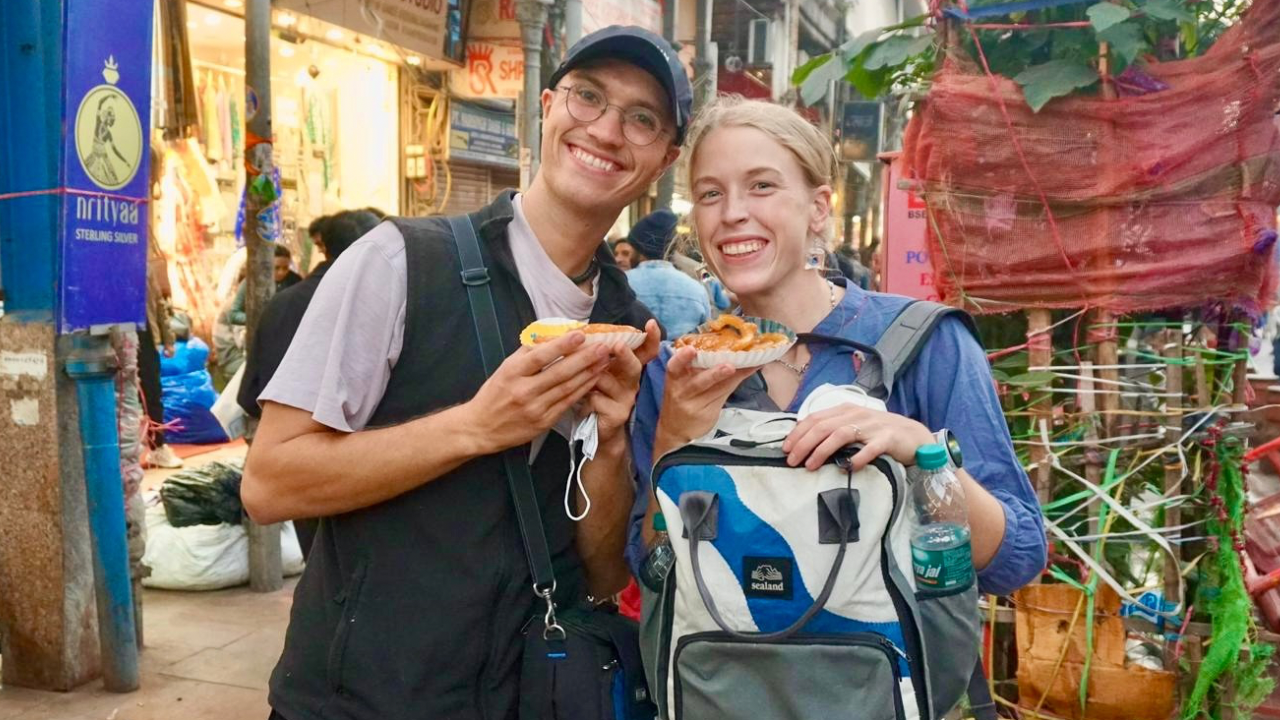
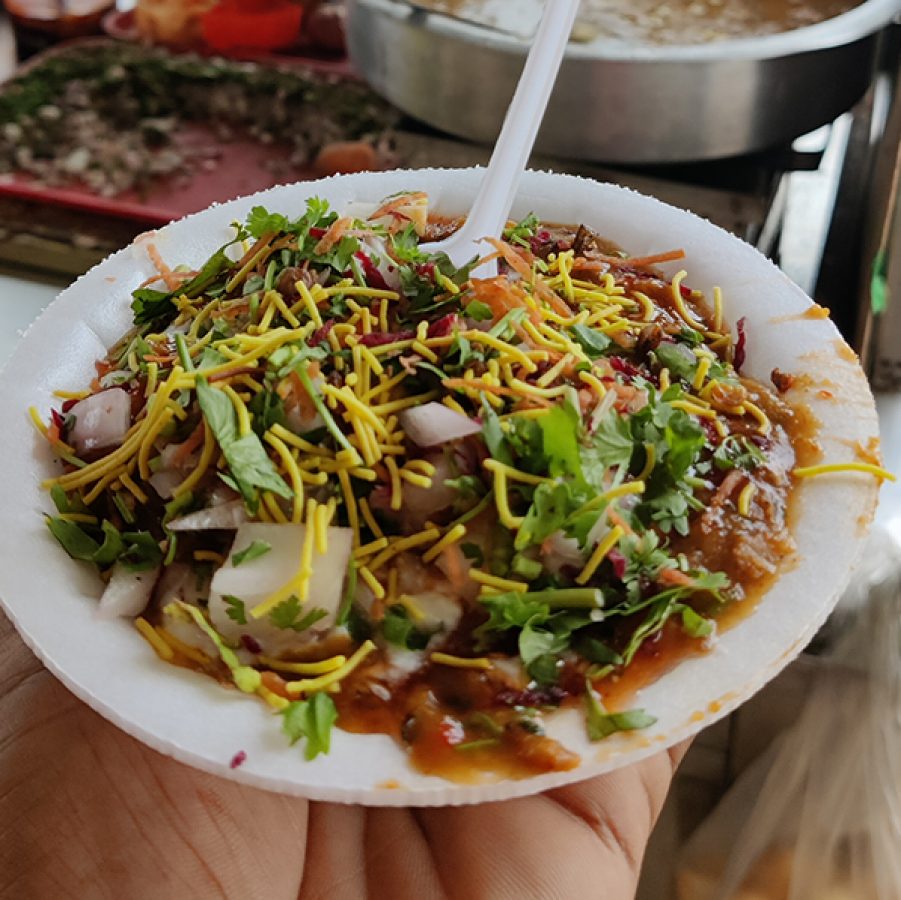
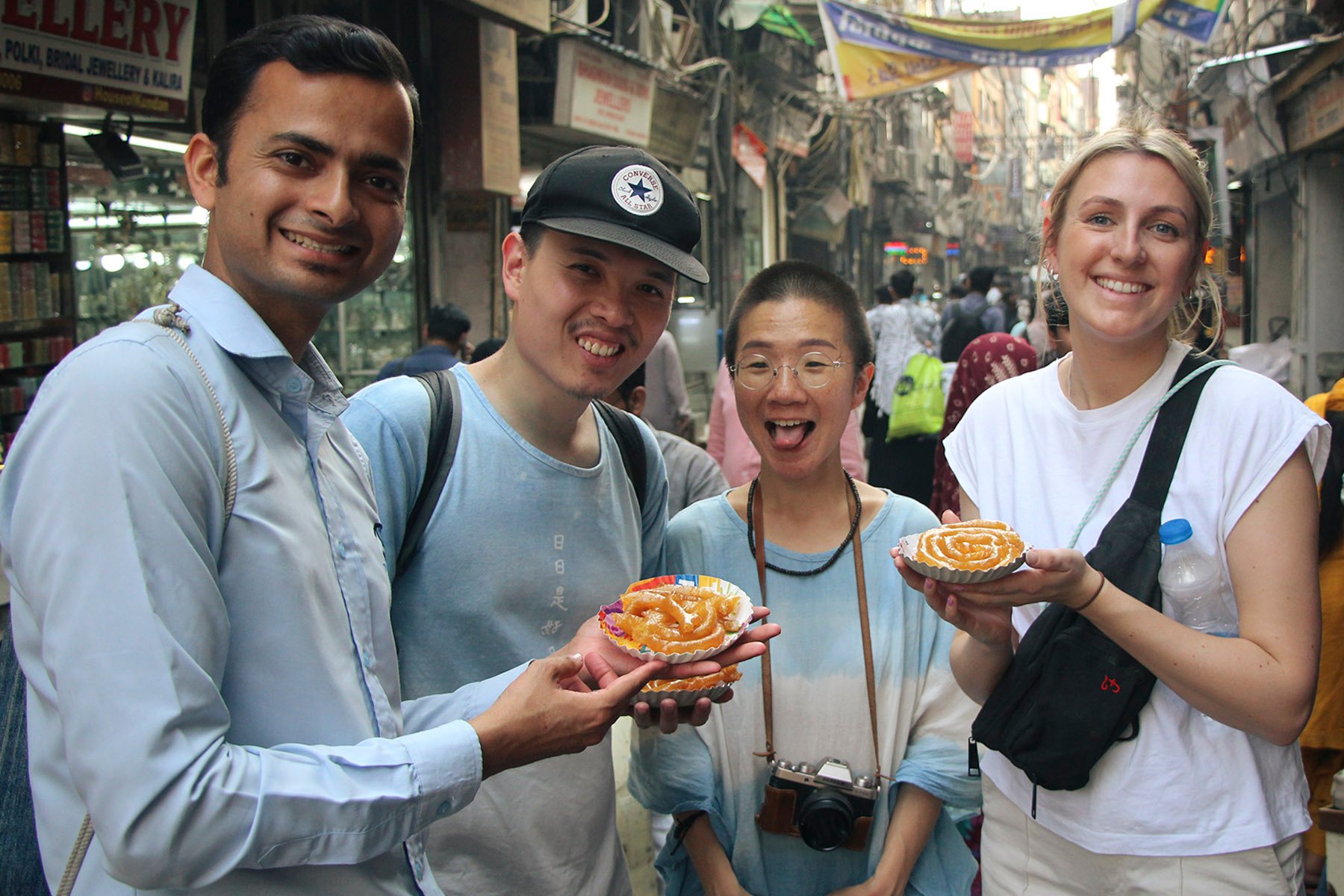
Navigate the crowded alleys to taste traditional fried breads, savory snacks, and hot paranthas prepared by generations-old local vendors.
Walk through the historic Khari Baoli, climbing to a rooftop viewpoint to see the massive wholesale spice sacks being traded below.
Conclude the journey with traditional milk-based desserts and a tea tasting session before heading back to the metro.
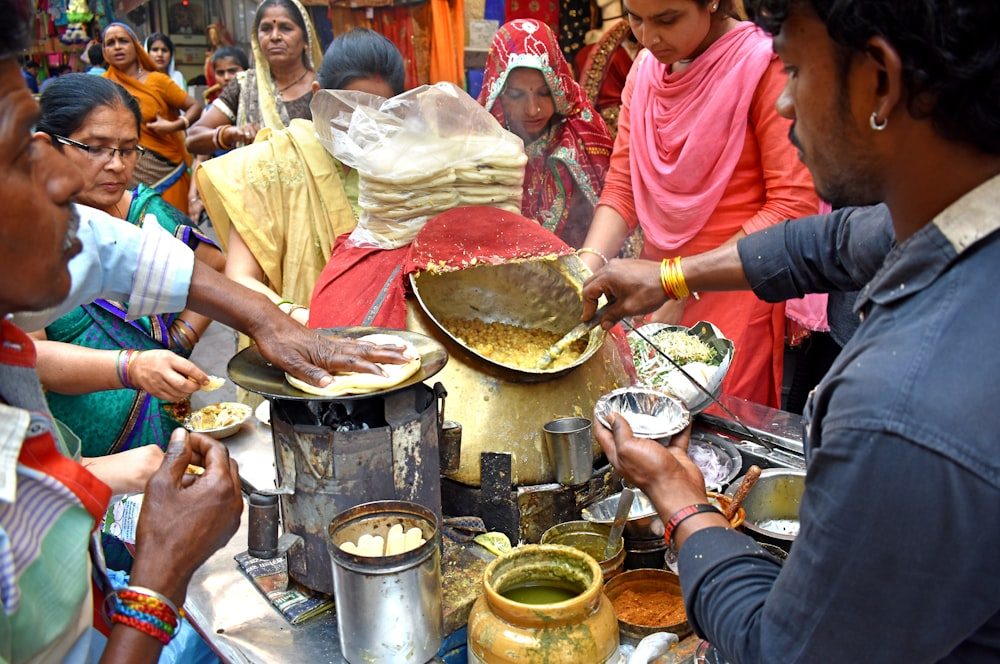
A historic street lane in Chandni Chowk that has hosted parantha makers since the 1870s. The shops here serve unique deep-fried flatbreads stuffed with unusual fillings like cashews, bitter gourd, and local cheese. Over 10 historic shops once operated here, and a select few continue the century-old cooking methods today.
Operating since the middle of the 17th century, this is Asia's largest wholesale spice market. Thousands of traders handle tons of cardamom, chili, and turmeric daily, filling the air with sharp aromas that often cause visitors to sneeze. The narrow stairways lead to rooftops offering panoramic views of the bustling merchant lanes.
A quiet alleyway in Old Delhi famous for preserving traditional sweet preparation techniques. It is home to vendors who craft the delicate, airy milk dessert known as Daulat Ki Chaat, which can only be prepared during the cool winter nights. Some families here have maintained these recipe secrets for over three generations.
A busy thoroughfare lined with buildings dating back to the Mughal era, serving as a primary corridor for culinary walks. The street is lined with historic street carts that serve spicy potato curries and fried lentil dumplings. It provides access to Lal Darwaza, the focal office point of the culinary walks.
A vibrant market lane specializing in wedding accessories, glittering borders, and festive decorations. Walking through this lane reveals how local shopping culture integrates with quick snacks like spicy fruit chaat. The street dates back to the Shahjahanabad era and remains highly crowded throughout the afternoon.
You arrive at Lal Darwaza, 3287, Sitaram Bazar Road, at 10:00, when the morning light is still oblique and the parathas on Gali Paranthe Wali's griddles are just reaching their first golden edge. Your guide gestures toward a narrow entrance barely wide enough for two people side by side, and you step from the main road into a lane that smells of cardamom, hot ghee, and something tangy you cannot immediately identify. At the first stop, a halwai hands you a small clay cup of rabri — thickened, saffron-tinged milk — and explains that his family has been making it on this corner for four generations. You move on to a chaat vendor who assembles your plate in under thirty seconds: six distinct components, each measured by eye. You count them as they land. The tamarind water arrives last, poured from a height so it aerates before it hits the potato. This is precisely the kind of detail a delhi food tour reveals that no recipe book captures. By 11:30 you have covered roughly 1.5 kilometres of lanes and tasted nine preparations across three distinct culinary traditions. Your guide pauses at a spice merchant's open sacks — sixteen varieties of dried chili alone — and you lean in to distinguish their heat profiles by scent before you buy. The Old Delhi culinary tour ends near the same archway where you started, but the neighborhood no longer looks the same. What appeared chaotic at 10:00 now reads as a precise, interdependent system: each cart, each lane, each transaction part of a logic that has been refined over centuries.
All the details about your upcoming adventure in one place
A delhi food tour takes you deep into the layered culinary landscape of one of South Asia's most storied capitals, where chaat, kebabs, and halwai sweets have been crafted by generations of skilled vendors. Delhi food tour tours are available for small private groups or shared departures, weaving through bustling bazaars and spice markets that have shaped the city's identity for centuries. Book delhi food tour tickets in advance to secure your preferred time slot and guide, ensuring access to iconic tasting stops across Old Delhi's winding lanes.
Old Delhi's food landscape is among the densest concentrations of street gastronomy on earth, with some vendors tracing their recipes to the Mughal imperial kitchens of the seventeenth century. A delhi food tour through neighborhoods such as Sita Ram Bazar and the warren of lanes near Lal Darwaza places visitors directly inside a culinary tradition that has outlasted empires, partition, and urbanization. The physical address — Lal Darwaza, 3287, Sitaram Bazar Road, Sita Ram Bazar, New Delhi, Delhi 110006 — sits at a geographic threshold where the old walled city meets the commercial present, making it an ideal departure point for any delhi food tour that aims to be both immersive and historically grounded. The significance of this part of Delhi in India's food culture cannot be overstated. Sita Ram Bazar has functioned as a wholesale and retail food hub for well over a century, supplying spices, lentils, and dairy products to households across the capital. The halwais — traditional sweet-makers — who have operated here across multiple generations represent a living archive of techniques: slow-cooking khoya over open flame, hand-pulling jalebis into spirals, and grinding chaat masala by methods unchanged for decades. These are not reconstructed traditions staged for visitors; they are the working practices of families whose livelihoods depend on consistency and quality. Any serious Delhi culinary tour will pause here long enough to watch, taste, and ask questions. The broader Old Delhi food corridor also encompasses kulfi vendors in Gali Paranthe Wali, the iconic nihari houses that open before sunrise, and the street-side kebab grills that flare to life each evening near Jama Masjid. Taken together, these form an edible map of the city's social and economic history — a record of migration, trade, and religious practice expressed in spice ratios and cooking fats. An Old Delhi food walking tour that moves deliberately through these nodes gives the visitor a sense of how geography, commerce, and community intersect in every dish. What makes a guided Delhi food experience particularly valuable is the interpretive layer that transforms tasting into understanding. Without context, a bowl of dahi bhalla is simply a pleasurable snack; with it, the dish becomes a thread connecting Punjabi refugee cuisine of the 1940s to the contemporary street-food economy of a twenty-first-century megacity. The food here is not incidental to Delhi's identity — it is one of the primary ways the city narrates itself to the world. Delhi food tour tours that operate from this neighborhood carry that narrative responsibility with every stop they plan.
The halwais of Sita Ram Bazar are not staging a tradition — they are sustaining one, and the difference is everything a visitor tastes.
Dress modestly with shoulders and knees covered, as you will visit religious sites like temples during your Delhi Food Tour. Loose-fitting cotton clothing and comfortable walking shoes are highly recommended for navigating the narrow alleys.
Security checks are common at major transit hubs, so travel light. It is best to avoid carrying large bags on a Delhi Food Tour because the historic alleyways are extremely narrow and congested.
Photography is generally permitted throughout the markets, but you must ask permission before filming local vendors. Keep in mind that some historic street stalls charge a small fee for photos during a Delhi Food Tour tour.
Families traveling with children should be prepared for intense sensory stimulation, heavy noise, and significant walking. While older children often enjoy the sweet treats, the environment can be overwhelming for toddlers.
The historic alleyways feature uneven pavement, high steps, and dense crowds, making them unsuitable for wheelchairs or strollers. Those with limited mobility should coordinate with the operator for customized vehicular transport.
Only consume foods prepared hot in front of you, and strictly stick to bottled water provided by the tour operator. External snacks are unnecessary as the Delhi Food Tour tickets cover an extensive selection of local dishes.
Daily operation.
Midweek timings.
Slightly lighter pedestrian traffic.
Standard operations.
Some religious closures nearby.
Heavy weekend foot traffic.
Alternative market routes used.
Opening Hours
00:00–23:59 (Daily)
Main Address
Lal Darwaza, 3287, Sitaram Bazar Road, Sita Ram Bazar, New Delhi, Delhi 110006
Best Arrival Window
10:00–14:00
Baggage Policy
Light daypacks recommended; no storage facilities onsite
Meeting Point
Typically starts near Chawri Bazar Metro Station
Public transport · 15 minutes · 20-50 INR
Take the Delhi Metro Yellow Line and exit at Chawri Bazar Metro Station. The meeting points are typically situated within a 5-minute walk of Exit 1.
Car · 45 minutes · 100-300 INR
Driving in Old Delhi is highly discouraged due to extreme congestion and lack of parking. If using a car, park at the Jama Masjid parking lot and take a cycle rickshaw.
Walk · 15 minutes · 0 INR
From the nearby Lal Quila (Red Fort), walk west along Chandni Chowk road for about 15 minutes to reach the entry of Sitaram Bazar.
Bookings can be canceled up to 24 hours in advance for a full refund of the booking fee. The entrance fee to the streets is 0 INR (Free entry), meaning only the operator service fee is subject to the cancellation terms.
Recommended time
3 to 4 hours
Booking a professionally guided delhi food tour offers a highly structured and educational look into the city's rich culinary heritage, allowing visitors to navigate the chaotic historic alleyways of the market bazaar with absolute ease. Choosing to set off for an Old Delhi culinary excursion in the morning is highly recommended for tasting sweet jalebi, fresh paranthas, and creamy lassi before the intense afternoon heat peaks and local market crowds begin to swell. While you do not need official delhi food tour tickets to browse the public lanes, booking a reputable delhi food tour tours itinerary or a private delhi food tour tour ensures you visit the safest, most hygienic street vendors located near the fragrant spice market. This comprehensive timeframe typically covers six to eight historic food stalls with minimal waiting, though you should plan to add extra time to accommodate longer queue lines at popular heritage stands during the busy evening dining rush.
Crowd levels through the day
Weather · crowds · average price — dots go green to amber to red as each metric rises.
Mild temperatures averaging 20°C to 25°C make walking highly comfortable. This is the optimal season to explore outdoor markets without intense heat or monsoon rains.
Temperatures frequently exceed 40°C, making midday walking difficult. Early morning starts are essential, and carrying hydration is critical during these dry, dusty months.
Heavy rains bring humidity and occasional street flooding. While the rain cools the air, walking through the markets requires waterproof footwear and umbrellas.
Cooler weather with temperatures dropping to 8°C in December and January. The crisp air is excellent for enjoying steaming hot street food, though morning fog can sometimes delay transit.
Always select vendors who have high turnover and prepare food hot directly in front of you. This ensures that the street food is freshly cooked and minimizes the risk of foodborne bacteria.
Carry portable hand sanitizer and use it before every tasting. Wet wipes are also incredibly useful for cleaning your hands after enjoying sticky sweet treats.
Only drink water from sealed, branded plastic bottles provided during your Delhi Food Tour walks. Avoid ice in beverages unless you are certain it is made from filtered water.
Many historic market vendors do not accept international credit cards or mobile payments. Keep a stash of 100 and 200 INR notes handy for quick purchases.
Keep a scarf or handkerchief in your daypack. You will need to cover your head and remove your shoes when entering temples or active shrines along the route.
The streets of Old Delhi can be muddy, wet, and crowded with animal and pedestrian traffic. Closed-toe shoes protect your feet much better than sandals.
Lal Darwaza, 3287, Sitaram Bazar Road, Sita Ram Bazar, New Delhi, Delhi 110006
This serves as the central administrative point and starting zone for the Delhi Food Tour.
Get directionsThe culinary identity of what we now explore on a delhi food tour was forged in the sixteenth century, when Mughal Emperor Humayun returned from Persia carrying not only an army but a pantry. His court settled in Shahjahanabad — the walled city Shah Jahan completed in 1648 — and with it came the Persian tradition of slow-cooked meats, aromatic rice, and a spice grammar built on cardamom, mace, and saffron. Royal kitchens trained entire castes of cooks, the Rakabdars, whose descendants would later carry those techniques into the bazaars. The lanes around Sitaram Bazar, where culinary walking routes operate today, were already dense with nihari vendors and tandoor bread-makers by the late seventeenth century, feeding soldiers, merchants, and pilgrims who poured through the city's thirteen gates. The eighteenth century fractured Mughal patronage. Persian invader Nader Shah sacked Delhi in 1739, and successive political crises pushed aristocratic cooks out of crumbling havelis and into the open-air market stalls of Chandni Chowk. This displacement — a near-disaster for courtly cuisine — paradoxically democratized it. Slow-braised nihari, once reserved for pre-dawn royal tables, became a laborer's breakfast. Seekh kebab, shaped by hand on portable grills, fed cavalry and cart-pullers alike. What had been elite gastronomy calcified into street grammar, passed orally through generations with no written record and considerable regional drift. The Partition of 1947 delivered the single most consequential transformation. Hundreds of thousands of families from what became Pakistan — particularly from Lahore, Rawalpindi, and Multan — resettled in Delhi, carrying recipes but not equipment. Refugees established dhabas on whatever pavement they could occupy, and the resulting collision with existing Mughlai and Punjabi-Hindu traditions produced hybrid dishes: the tangy chaat refinements, richer lentil gravies, and denser bread traditions that define Old Delhi street food in 2026. Partition-era vendor families still operate in the Sita Ram Bazar corridor near Lal Darwaza, and their presence makes any serious Delhi food tour tours of the area feel less like tourism and more like living archaeology. A delhi food tour ticket to this history requires no admission fee — entry is free at 0 INR — but it does demand attention. The food survives because it adapted: Mughal technique, colonial disruption, and refugee ingenuity compressed into a single bowl of dal or a paper-wrapped paratha. LSI threads — Shahjahanabad, Rakabdar lineage, and the post-Partition dhaba economy — run continuously through every bite available along Sitaram Bazar Road today.
Humayun's return from Persia imports courtly spice traditions that anchor Mughal cuisine in nascent Shahjahanabad.
Shah Jahan completes the walled city of Shahjahanabad, establishing the urban core whose bazaars would sustain street food for centuries.
Nader Shah's sack of Delhi disperses royal Rakabdar cooks into public markets, transforming aristocratic dishes into street food.
Nihari establishes itself as a pre-dawn working-class meal in the lanes surrounding what is now the Sita Ram Bazar corridor.
The suppression of the Indian Uprising accelerates demolition of Mughal havelis, pushing more hereditary cooks permanently into bazaar stalls.
Partition brings hundreds of thousands of refugees from Lahore and Multan, whose street-vendor culture hybridizes with existing Mughlai traditions.
Dhaba culture consolidates along Old Delhi's arterial roads, fixing the chaat, kebab, and bread repertoire that culinary walking tours document today.
The rooftop offers a view of the historic spice trade at Khari Baoli, with vendors carrying sacks of turmeric below. Climb the narrow, dark stairs of Gadodia Market to reach the open terrace. This is a classic stop on a delhi food tour to witness the source of the local spices.
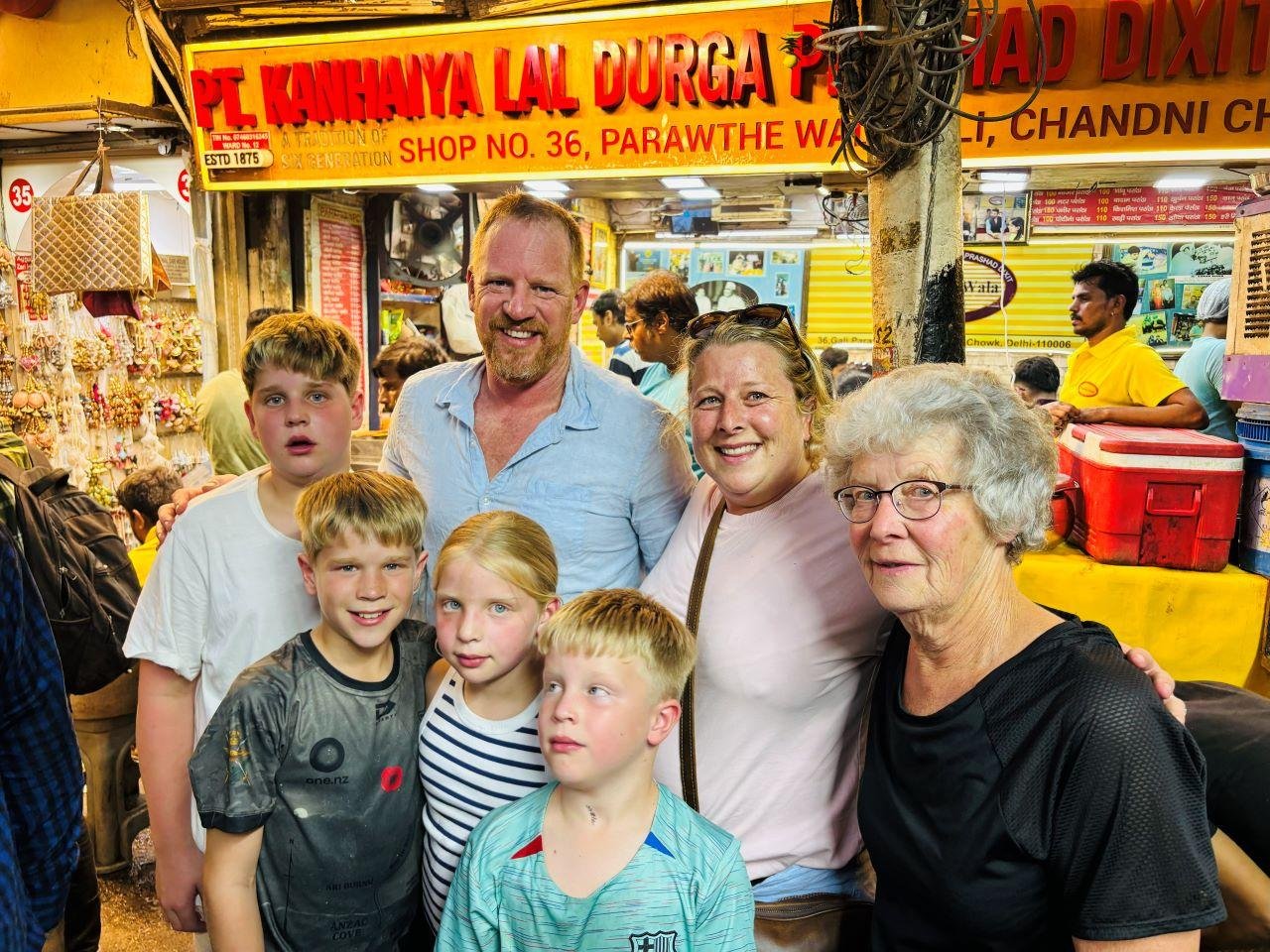
Frame the steam rising from traditional flatbreads inside the historic shops dating back to the late 19th century. Stand outside the shopfronts on this narrow street to get close-ups of the huge pans filled with sizzling ghee. Visitors booking their delhi food tour tickets often capture these close-ups here.
The weathered red archway marks the entrance to the buzzing alleyway of Sitaram Bazar. Stand under the archway to capture the traffic of cycle rickshaws and street vendors preparing kulfi. This photogenic street corner is a staple of many delhi food tour tours.
Located near Jama Masjid, this narrow lane is famous for skewered kebabs cooked over open charcoal fires. Stand at the mouth of the alley to frame the dramatic smoke rising from the grills on your delhi food tour tour of the area. Be mindful of the heavy evening foot traffic while setting up your shot.
A classic delhi food tour path introduces you to the rich culinary legacy of Shahjahanabad. If you embark on an Old Delhi street food walk, local vendors will prepare dishes using generations-old family recipes.
Famous for stuffed fruit kulfi since 1906. Visitors trying out a local delhi food tour tour often stop here to taste frozen mango or orange treats where the cream is frozen inside actual fruit skins. It provides a refreshing finish to a day of heavy spice.
Established in 1913, this legendary kitchen serves rich mutton korma, seekh kebabs, and freshly baked tandoori breads. Travelers searching for delhi food tour tours will find this courtyard eatery packed with diners experiencing historic royal recipes of Mughlai cuisine.
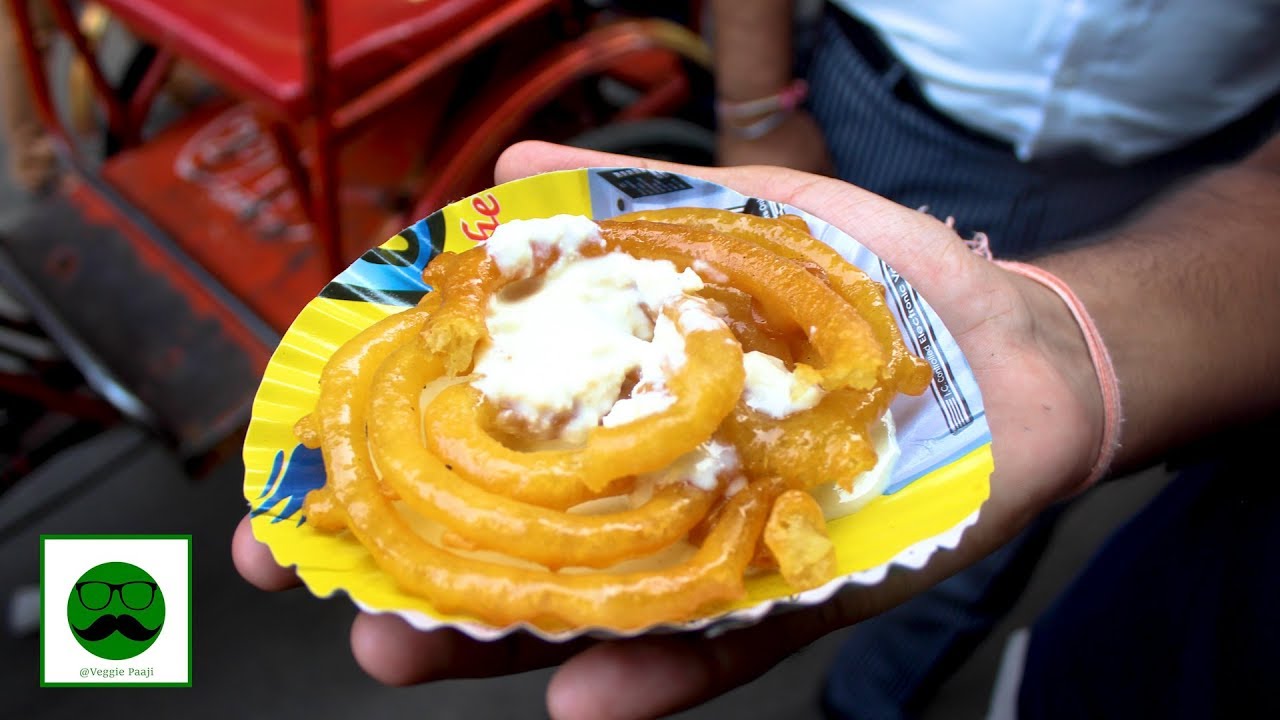
Located at the busy corner of Dariba Kalan since 1884. Visitors who book specialized delhi food tour tickets often receive coupons to redeem for giant, thick jalebis fried in pure ghee, served hot with rich rabri.
Real experiences from real travelers
The delhi food tour started at the Fatehpuri Masjid end of Chandni Chowk just before sunset, and within two minutes I had a steaming plate of aloo tikki in my hand. Our guide knew every vendor personally, so we skipped the usual tourist queues without any fuss. Four hours felt too short for everything packed into the route.
I joined one of the delhi food tour tours available through a local operator and ended up eating nine different dishes across five neighborhoods. The nihari at dawn, the thandai mid-morning, the paranthe around noon — the sequencing was thoughtful and my stomach genuinely handled all of it. Booking the delhi food tour tickets online in advance made the entry process seamless.
The kulfi near Kinari Bazaar was so intensely cardamom-forward that I stopped walking just to finish it properly. Our guide explained the Mughal-era roots of each dish without turning it into a lecture. I would have rated it five stars if the group had been slightly smaller — twelve people on narrow galis gets crowded.
The delhi food tour guide was a third-generation Delhiite who talked about partition-era migration routes shaping the city's kebab culture, which I found genuinely fascinating. Each tasting portion was generous enough to feel real rather than a token nibble. I came back the next morning on my own to buy a kilo of the dried mango powder from the spice vendor she introduced us to.
I have done culinary tours across Southeast Asia and this Old Delhi food walk sits alongside the best of them. The gol gappe stop involved a friendly competition on how many rounds you could handle, which was chaotic and wonderful. The pairing of sweet tamarind chutney against the sour jaljeera water is something I still think about.
The delhi food tour took us past the wholesale spice market in Khari Baoli just as the burlap sacks were being restacked at dusk, turmeric dust hanging in the air like smoke. That sensory moment alone was worth the price. The guide also pointed out architectural details in the havelis above the stalls that I would never have noticed alone.
The spice market detour on the Delhi culinary walk added a dimension the food alone could not — understanding what goes into the dishes before you eat them makes every bite more interesting. My one caveat is that the route is almost entirely on foot across uneven stone lanes, so wear flat shoes and expect your step count to be high.
We booked the delhi food tour tour for a late evening slot and the transformation of Chandni Chowk after dark is extraordinary. Cycle rickshaws, neon signs reflected in puddles from an earlier rain, and the smell of charcoal from a seekh kebab grill — it hit all at once. The guide kept the group together skillfully despite the density of the crowd.
Standing in the shadow of Jama Masjid eating a plate of nihari with buttery naan while the muezzin called across the rooftops was the single most immersive food experience I have had anywhere. The delhi food tour operator also arranged a brief visit to a century-old mithai shop that does not appear in any travel guide I have read. Two hours of planning saved weeks of independent research.
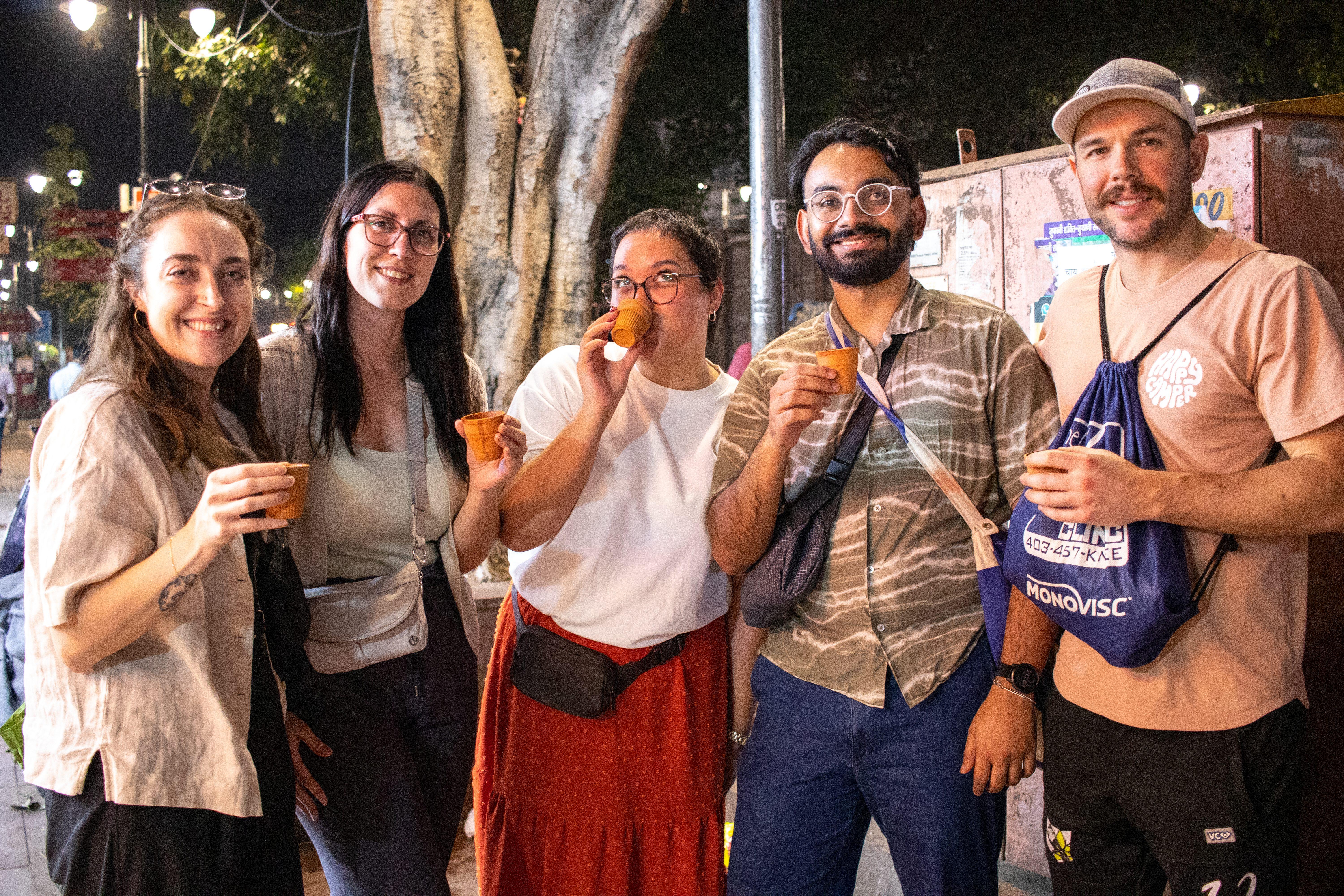
The chai served in terracotta kullads at the first stop set the tone for the entire Delhi street food walking experience. Steam, the bite of ginger, the sweetness of condensed milk — you grip the warm clay and suddenly the city makes sense. Our guide's commentary on how the kullad tradition connects to sustainable packaging policy was an unexpected bonus.
Everything you need to know for your journey
Most operators design a standard Delhi Food Tour to run for approximately 4 hours, though full-day options can extend up to 9 hours.
You should dress modestly with comfortable walking shoes, as a Delhi Food Tour often visits active religious sites along the street routes.
Cancellations made at least 24 hours prior to the scheduled start time will receive a full refund.
The guides curate the experience to only include vendors with high turnover and strict sanitation practices, ensuring safety on your Delhi Food Tour.
The cooler winter months from October to March offer the most pleasant weather to walk the streets and enjoy hot foods.
Yes, a vast majority of the dishes tasted are vegetarian, and pure vegetarian itineraries can easily be arranged.
Tours typically commence near Lal Darwaza, located at 3287 Sitaram Bazar Road, or nearby metro stations.
Families are welcome, though the dense crowds and loud streets of a Delhi Food Tour might be tiring for very young children.
While the walks utilize cycle rickshaws to navigate the alleyways, booking a Delhi Food Tour does not automatically include hotel pickup unless selected as an add-on.
You can book private sessions directly online, which allows you to customize the itinerary and pace of your Delhi Food Tour.
One of the largest mosques in India, featuring red sandstone and white marble dome architecture built by Shah Jahan.
A historic Sikh temple established in 1783 to commemorate the martyrdom of Guru Tegh Bahadur.
The former main residence of the Mughal emperors, constructed in 1638 and showcasing octagonal red sandstone walls.
A 17th-century mosque located at the western end of the historic Chandni Chowk street.
A central business district offering a wide range of mid-range and luxury international hotels with direct metro links to Old Delhi.
A meticulously restored 19th-century haveli located in the heart of the old city, offering high-end heritage accommodation.
A busy commercial area known for budget-friendly guesthouses and hotels, popular with budget travelers.
Join thousands of happy travelers who have discovered this incredible experience
Book Your Experience Now