96 hr
4-Day Golden Triangle & Ranthambore Private Expedition
- Private experience
- Personal attention
- Premium amenities
- Free cancellation
Delhi to Ranthambore — Morning Safaris & Tiger Reserve Entry
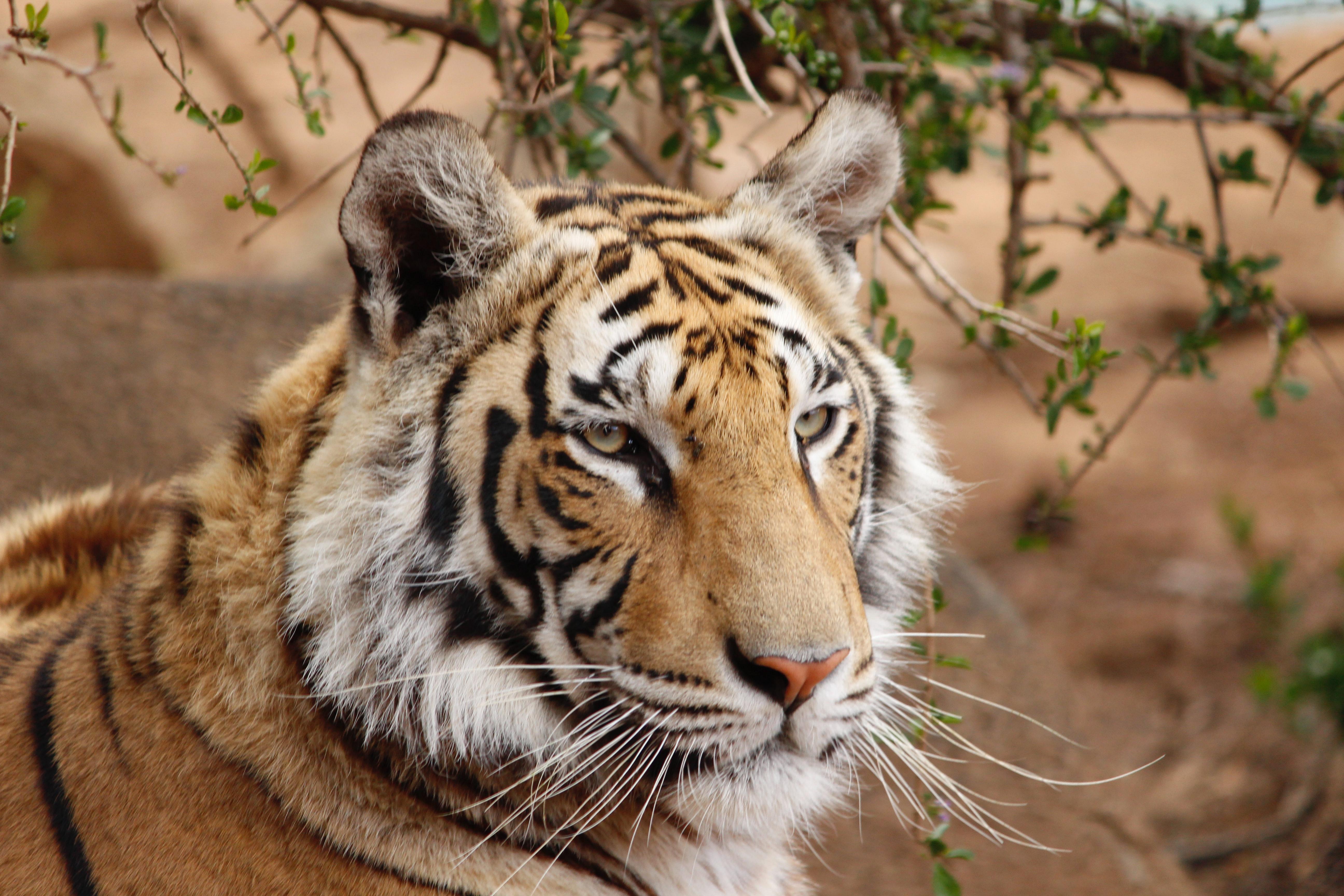
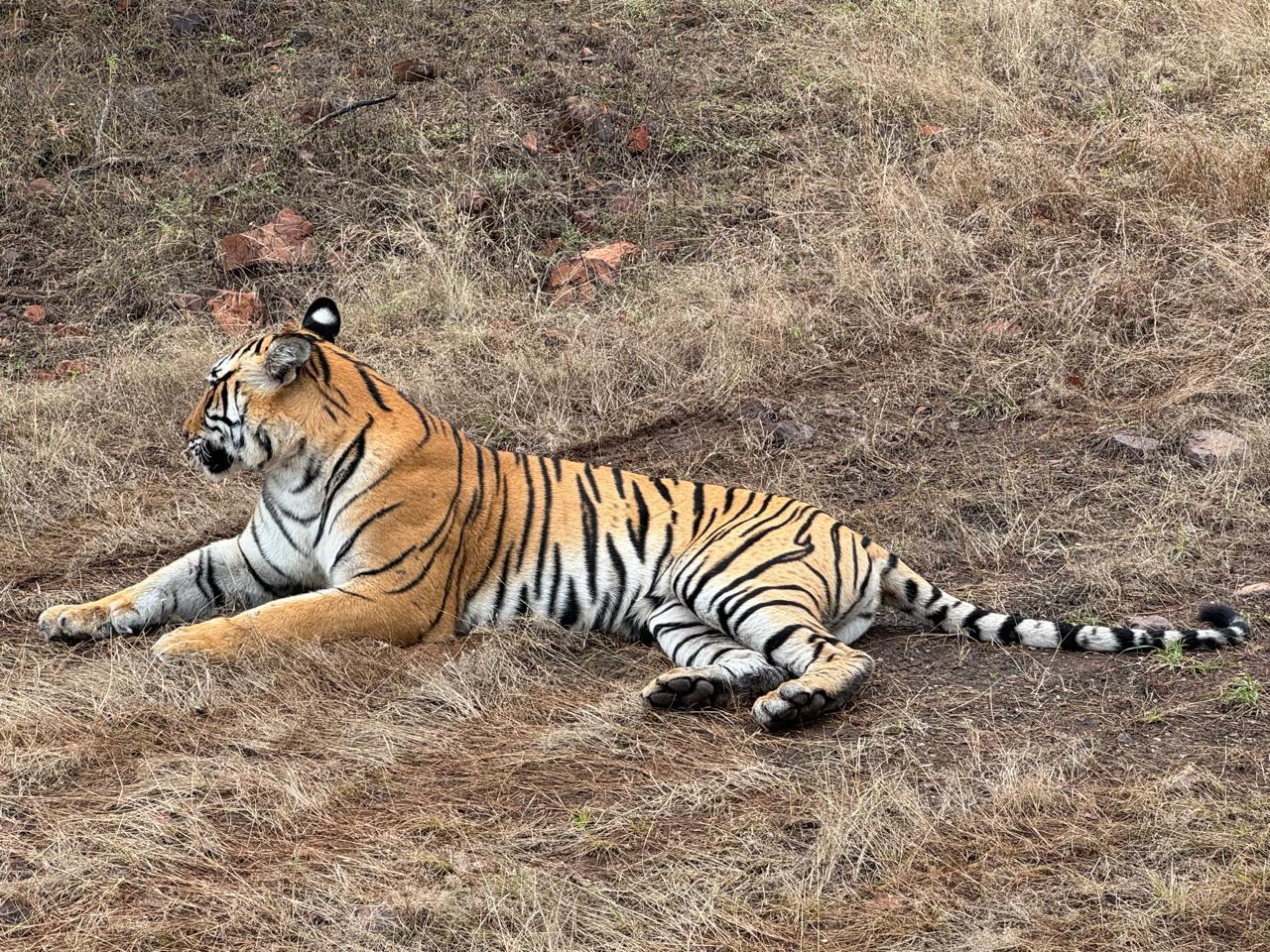
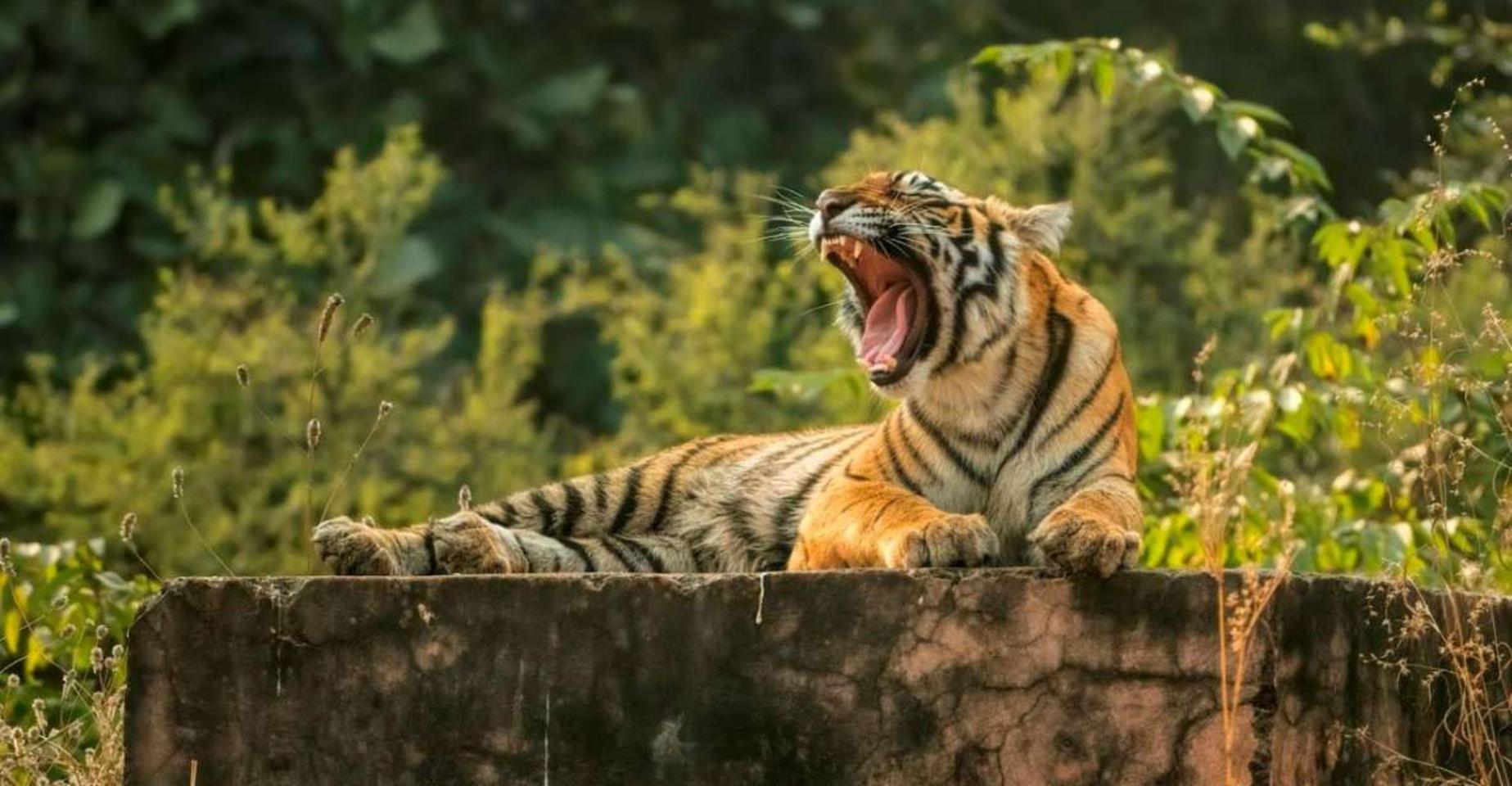
Sal forest at dawn, a Bengal tiger at the waterhole
Compare fares, pick the fit — all bookings are mobile-voucher and eligible for free cancellation where shown.
96 hr
144 hr
144 hr
Worth it for wildlife seekers, skip if rushed
The delhi to ranthambore journey demands roughly five to six hours each way, so the real question is whether the payoff justifies two days of travel. For wildlife enthusiasts, the answer is yes. Ranthambore delivers one of India's highest tiger-sighting probabilities alongside the haunting medieval ruins of Ranthambore Fort — a combination no city zoo or day-tour can replicate. The 1,575 INR entrance fee and eco-development surcharge per foreigner is the baseline; add safari jeep costs and you are looking at a genuine premium. Delhi to ranthambore tours typically package these extras, which can soften the per-item sticker shock. The park's morning safaris, with gates open from 06:00, are where the real value sits — cooler temperatures and active predator movement make early slots worth booking weeks ahead. Casual travellers wanting a quick tick may feel the effort outweighs the reward, but serious wildlife watchers will find the return worthwhile.
Bottom line: If you can commit two nights and book morning safari slots early, the delhi to ranthambore trip pays off far beyond its entry fee.
They complement each other; most travelers seeking tiger sightings call Ranthambore the more rewarding trip. Deciding on the route from delhi to ranthambore depends on your wildlife priorities, making booking delhi to ranthambore tours the ideal path for open-terrain photography.
|
Top pick Delhi to Ranthambore |
Jim Corbett National Park | |
|---|---|---|
| Distance from Delhi | ~380 km via Expressway | ~250–270 km via road |
| Travel Time | 5–6 hours by train or car | 5–7 hours by road |
| Primary Landscape | Dry deciduous forest and rocky hills | Grasslands, riverine belts, and foothills |
| Tiger Sighting Odds | High (open dry terrain) | Moderate (dense foliage) |
| Best Safari Vehicle | 6-seater open Gypsy | 4x4 open Gypsy |
| Average Cost | 1,575 INR (entrance fee and surcharge) | 3,000–6,700 INR (foreigner permit fee) |
| See tickets & prices |
Verdict: Secure your delhi to ranthambore tickets early to explore the dry deciduous zones in Sawai Madhopur, rather than opting for a delhi to ranthambore tour to Jim Corbett if you favor mountain scenery.
Hand-picked experiences loved by thousands of travelers
2 days
Free Cancellation
Travel from Delhi for an immersive two-day wildlife adventure in Ranthambore, featuring two thrilling jungle safaris.
3 days
Free Cancellation
Embark on an immersive 3-day wildlife journey from Delhi to catch a glimpse of Bengal tigers in the heart of Ranthambore.
3 days
Free Cancellation
Experience India’s iconic tigers and royal architecture on a private 3-day guided excursion from Delhi.
Board an early morning train or hire a private cab for your Delhi to Ranthambore journey to reach Sawai Madhopur.
Arrive at the designated boarding point in Sawai Madhopur to verify permit details and board your assigned gypsy.
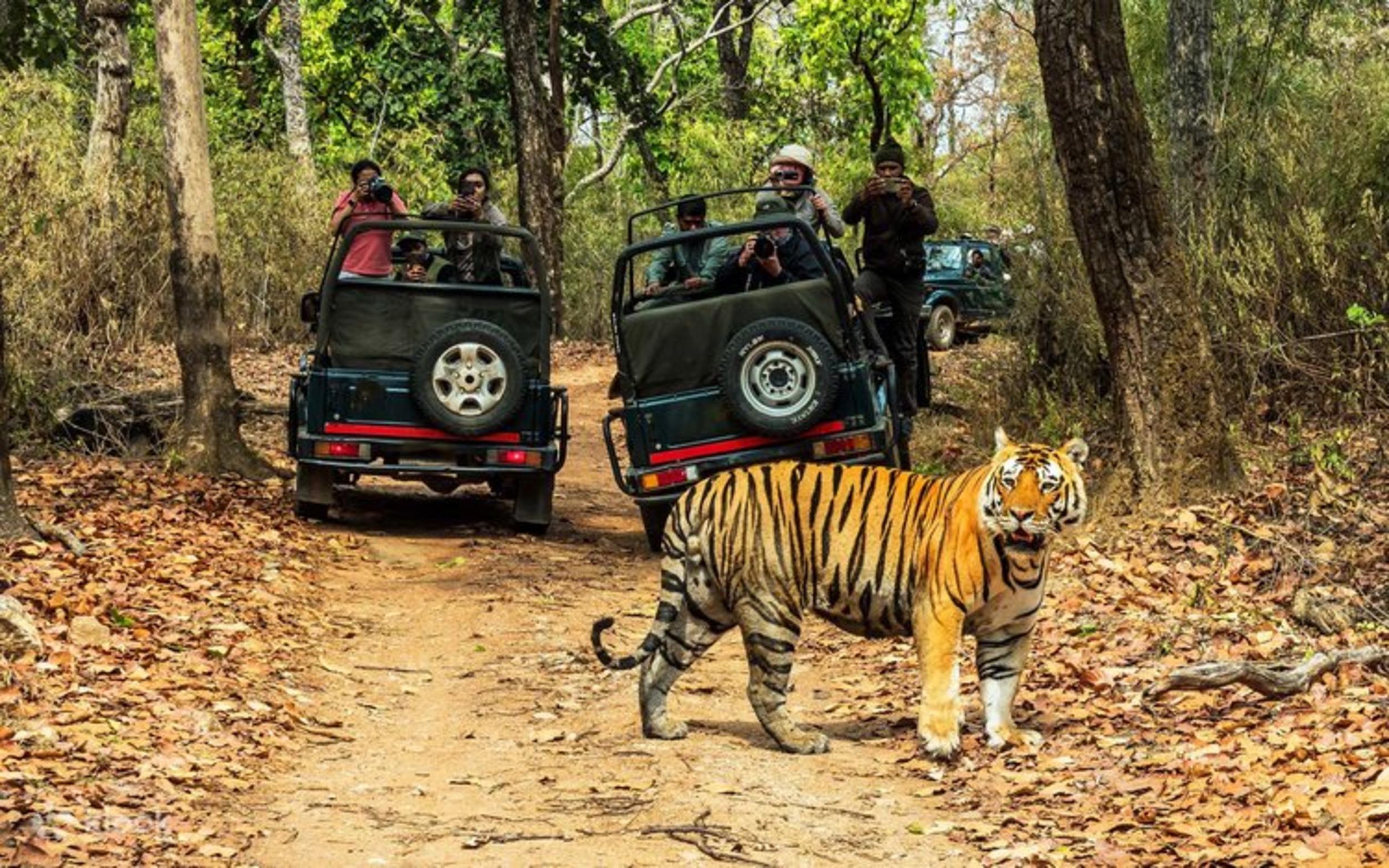
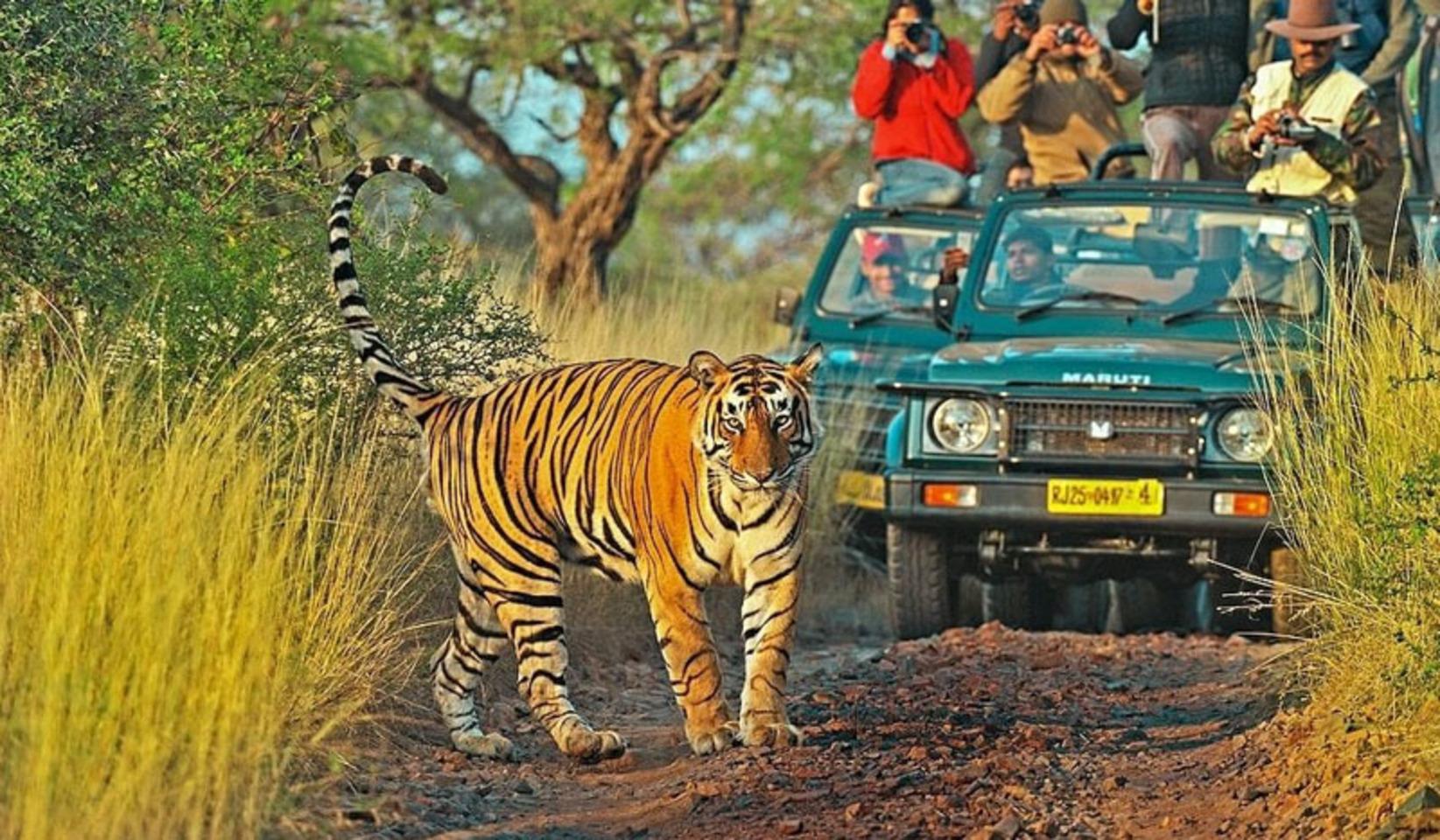
Pass through the entry gates into your assigned zone, traversing the dry deciduous forests and rocky terrains.
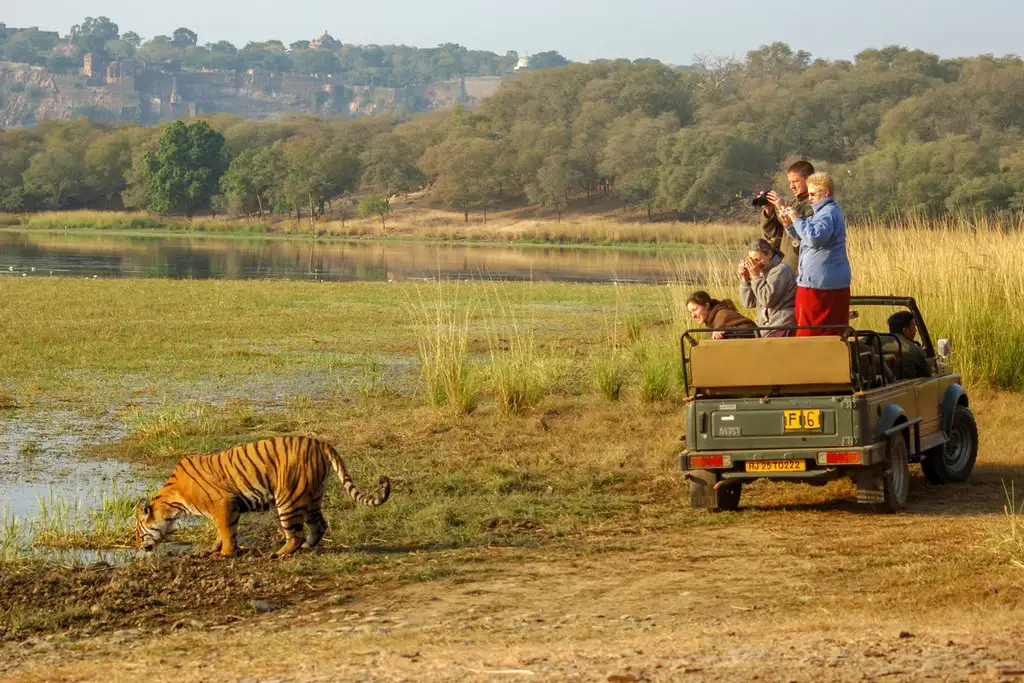
Search for Bengal tigers near water bodies before returning to the exit gate as the safari slot ends.
This 10th-century fortress stands 700 feet above the surrounding plains and houses the famous Trinetra Ganesha Temple. Its massive stone walls stretch over 4 kilometers.
The largest of the park's three lakes features Jogi Mahal on its banks. It is a prime area for spotting predators hunting sambar deer near the water.
This historic red-sandstone forest guest house was originally built by the royal family of Jaipur. It is situated adjacent to a massive banyan tree, one of the largest in India.
These ancient stone arches, domes, and stepwells sit between Padam Talao and Raj Bagh Talao. The ruins provide a picturesque backdrop where tigers are frequently seen resting.
This smaller lake is a key watering hole and is home to a significant population of marsh crocodiles. It also attracts numerous species of migratory birds during winter.
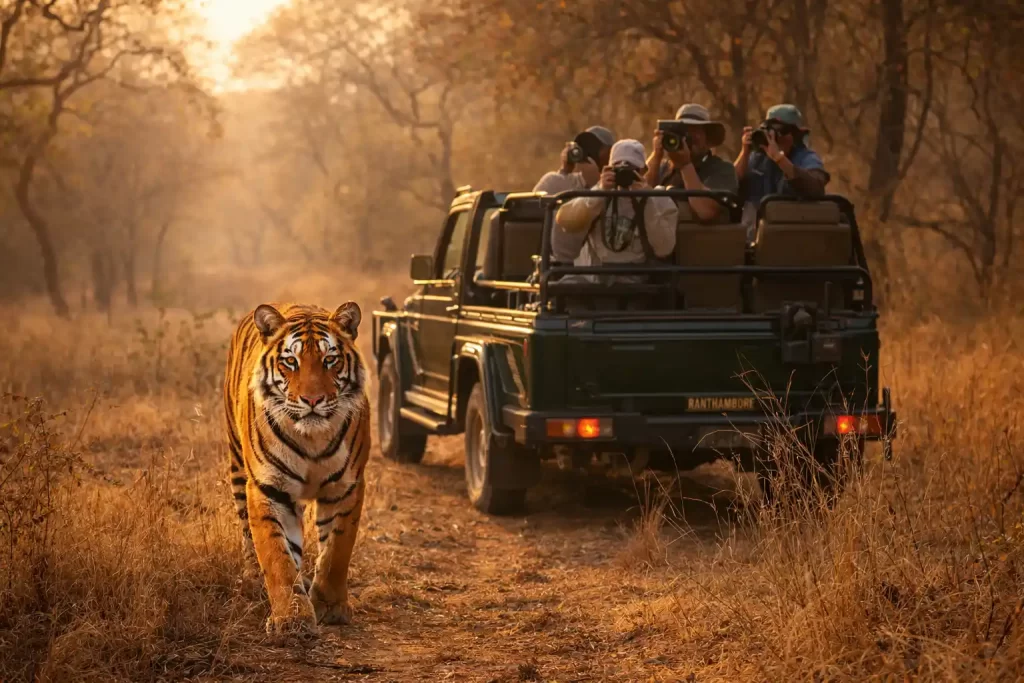
You board the Sawai Madhopur-bound train at Hazrat Nizamuddin station before first light, covering the 330 kilometres in under four hours aboard one of the express services that make the delhi to ranthambore journey manageable as an overnight or early-morning run. A shared canter or private jeep meets you at the gate by 06:00, which is precisely when the barrier lifts. Inside, your driver follows the packed-earth track toward Padam Talao, where mist still sits on the water. You scan the reed margin at low speed — a crocodile rests on the far bank, absolute and grey. The guide gestures toward a pug mark pressed into the mud at the track's edge, no more than twenty minutes old. Your zone allocation for the morning determines the next turn; in zones 3 or 4 the track climbs toward the fort walls, and you watch kites circle the battlements from a vehicle that stops, idles, and waits. By 08:00 the light has hardened and the temperature is climbing. A sambar alarm call breaks from the tree line — everyone in the vehicle goes still. Whether the cause steps into view or retreats into cover, the moment itself reshapes how you read every subsequent tree shadow. You exit the gate before 10:00, when the park closes to morning visitors, carrying with you the 1,575 INR entrance receipt and whatever the forest chose to reveal.
All the details about your upcoming adventure in one place
The delhi to ranthambore corridor is one of India's most rewarding wildlife journeys, covering roughly 400 km through Rajasthan's scrub forests to reach a tiger reserve built around a 10th-century fort. Delhi to ranthambore tours typically include a morning game drive in an open canter or jeep safari, giving you a genuine chance to spot Bengal tigers, leopards, and sloth bears within Ranthambore National Park's six core zones. Booking delhi to ranthambore tickets in advance is strongly recommended, as zone entry permits are limited by the Forest Department and sell out weeks ahead during peak season.
Ranthambore National Park occupies 392 square kilometres of dry deciduous forest in the Aravalli and Vindhya hill ranges of eastern Rajasthan, and the overland journey delhi to ranthambore — roughly 320 kilometres by road or rail — deposits travellers at one of the subcontinent's most consequential tiger habitats. The park was constituted as a sanctuary in 1955, elevated to national park status in 1980, and folded into Project Tiger the following year; that sequence of protections reversed a decades-long population collapse and made Ranthambore a reference point for large-cat conservation across South Asia. At the heart of the reserve stands the tenth-century Ranthambore Fort, a UNESCO World Heritage Site whose ramparts rise directly from the jungle and are shared, without irony, by langur monkeys, sambar deer, and the occasional leopard. The fort's Ganesh temple draws pilgrims who arrive on foot through zones that are otherwise restricted to safari vehicles — a collision of devotion and ecology found almost nowhere else on the planet. Three lakes, Padam Talao, Malik Talao, and Gyp Talao, form the hydrological backbone of the park; during summer months the waterholes concentrate prey species, and with them the Bengal tigers that have made this reserve internationally recognised. The park's current tiger count, monitored through camera traps and pug-mark surveys, reflects steady recovery since Project Tiger's founding. Individual animals have acquired names and documented territories — T-24, T-58, and their lineages appear in wildlife literature and photographic archives with the regularity of named landmarks. This degree of individual recognition is rare in Indian reserves and has shaped Ranthambore's identity as a place where tiger behaviour can be studied across generations. Delhi to Ranthambore tours connect the capital's urban density to a landscape where painted storks nest above mugger crocodiles and where the ruins of a medieval trading city lie swallowed by fig roots. The park opens at 06:00 daily, and the first safari zones are allocated by a government lottery system administered through the Rajasthan Forest Department's booking portal. Entrance fees for foreign visitors are set at 1,575 INR per person, covering both the park entrance and the eco-development surcharge. The zone system divides the reserve into ten numbered areas, each offering different terrain and different odds of sighting; zones 1 through 5 encompass the historic lake region and the fort approach, historically yielding the highest encounter rates. Planning a delhi to ranthambore trip demands attention to zone allocation as much as to travel logistics — the two variables together determine the quality of any given morning.

Ranthambore is where a medieval fort, three lakes, and a recovering tiger population occupy the same square kilometre of Rajasthan scrub.
Wear earthy, neutral tones such as olive green, khaki, or brown to blend in with the forest environment. Avoid bright colors, whites, and strong perfumes, which can startle wild animals. Since morning drives on a Delhi to Ranthambore expedition can be chilly, dress in layers that you can shed as the day warms up.
Heavy luggage is not permitted inside the safari vehicles; visitors must leave large bags at their hotels or boarding points. All passengers undergo security checks before entering the national park zones. Carrying plastics, polythene bags, and littering within the reserve boundaries is strictly prohibited by forest officials.
Amateur photography with personal cameras is allowed, but professional filming gear, drones, and tripods require prior written permission and additional fees. Keep your camera flash turned off at all times to prevent distressing the wildlife. Ensure your lenses are protected from the heavy dust kicked up by the open safari vehicles.
Safaris are exciting for families, but parents should note that children under five years old might find the bumpy, three-hour rides exhausting. Carry adequate drinking water, light snacks, and sun protection for young ones. Ensure children remain seated and quiet throughout the drive to avoid disturbing nesting birds and predators.
The rugged terrain of the park's safari zones, traversed in open-top gypsies and canters, makes it physically challenging for travelers with severe mobility issues. While wheelchair access is extremely limited inside the forest tracks, customized arrangements can sometimes be made. Please verify details before planning a Delhi to Ranthambore trip.
No food consumption is allowed inside the reserve to prevent littering and wild animals scavenging on human food. You may carry a personal water bottle, preferably non-plastic, to stay hydrated during the warm safari hours. Avoid eating inside the vehicles and dispose of trash only at designated transit camps.
Opening Hours
06:00–19:00
Address
Ranthambore National Park, Sawai Madhopur, Rajasthan 322001
Best Arrival Window
06:00–08:00
Entrance Fee
1,575 INR (entrance fee and eco-development surcharge per foreigner)
Official Site
https://fmdss.forest.rajasthan.gov.in/
Train · 4–5 hours · 300 – 1,500 INR
Board the Kota Janshatabdi or Golden Temple Mail from Hazrat Nizamuddin Station to Sawai Madhopur Station.
Car · 6–7 hours · 4,000 – 6,000 INR (fuel and tolls)
Drive via the NE-4 Delhi-Mumbai Expressway and NH-148 for a direct Delhi to Ranthambore tour route.
Taxi · 6–7 hours · 8,000 – 12,000 INR
Hire a private chauffeur-driven cab from Delhi airport directly to your resort in Sawai Madhopur.
When booking a Delhi to Ranthambore journey, note that safari permits are non-refundable and non-transferable. The 1,575 INR entrance fee and eco-development surcharge per foreigner cannot be refunded under any circumstances.
Recommended time
2–3 Days
Securing your delhi to ranthambore tickets online months in advance is critical due to strict vehicle limits and long entry queues at the forest office. A standard journey from delhi to ranthambore requires 2 to 3 days to balance the long transit times from the capital and organize multiple wildlife safari drives. Opting for structured delhi to ranthambore tours can simplify booking logistics between Sawai Madhopur station and your resort. Morning safaris offer the coolest temperatures, the clearest light for photography, and the highest probability of spotting Bengal tigers near water bodies. Finally, a private delhi to ranthambore tour helps coordinate directly with the early opening gates to ensure you do not miss the morning departure.
Crowd levels through the day
Weather · crowds · average price — dots go green to amber to red as each metric rises.
This post-monsoon period features lush green landscapes and pleasant daytime temperatures, making it a comfortable time for a Delhi to Ranthambore trip. Wildlife sightings are good around watering holes, though vegetation is dense.
Winter months offer chilly mornings requiring heavy layers, but daytime weather is sunny and dry. Tiger sightings remain frequent, and migrating birds arrive at Malik Talao.
Spring brings moderate heat and falling leaves, which improves visibility through the dry deciduous forest of the Aravali and Vindhya ranges. Animals spend more time near remaining pools, increasing sighting chances.
The summer peak sees temperatures exceeding 40 degrees Celsius, but it offers the highest probability of spotting Bengal tigers as they frequent water sources. Safaris are hot and dusty.
Safari permits, especially for the core zones like Zone 1 to 5, sell out fast. Reserve your Delhi to Ranthambore tours slots up to 90 days in advance via the official portal.
The identity card used during online booking must be presented in original before boarding the safari vehicles. Photocopies are not accepted by the forest rangers.
While drivers know the routes, a certified forest guide or naturalist can help spot camouflaged wildlife and identify bird species.
Gypsies seat 6 and offer better maneuverability, while 20-seater canters are cheaper but noisier on rugged tracks.
The unpaved tracks generate significant dust, so carry a buff, scarf, and zip-lock bags to protect your camera gear and face.
Never feed the animals, play music, or throw trash inside the reserve, as violations carry heavy fines.
Station Road, Sawai Madhopur, Rajasthan 322001
A standard pick-up point for tourists arriving by train.
Get directionsRanthambore Road, Sawai Madhopur, Rajasthan 322001
The main counter to collect physical boarding passes before boarding.
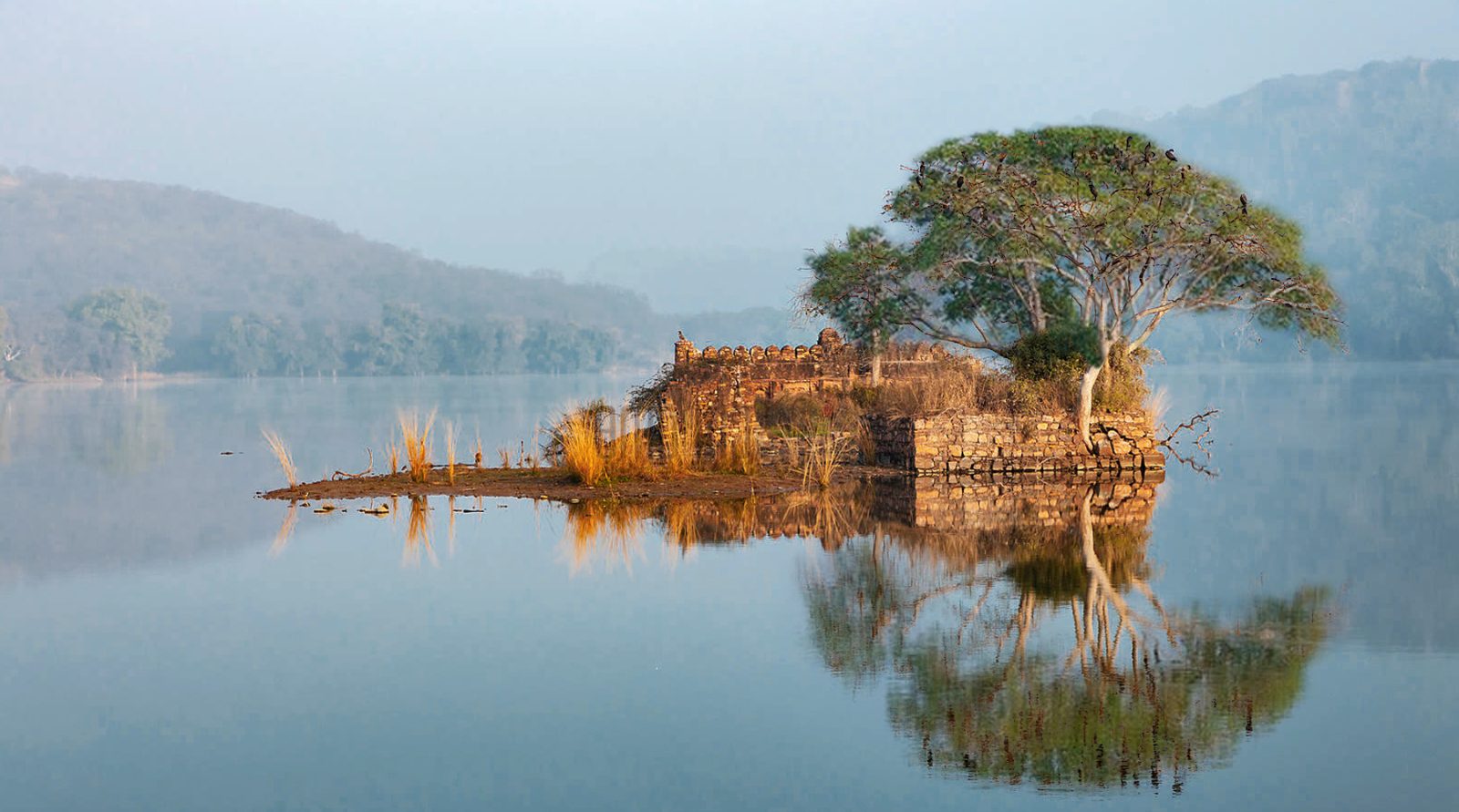
Get directionsThis massive lake serves as a vital watering hole for local fauna, including the majestic Bengal tiger. Visitors often stop here during delhi to ranthambore tours to capture reflections of the surrounding deciduous forest on the still water. Position your vehicle near the edge to frame water lilies in the foreground.
These crumbling stone structures stand half-submerged in the lake, offering a dramatic backdrop for wildlife photography. When planning your delhi to ranthambore tour, note that Zone 3 or 4 offers the best angles of these ancient ruins. The crumbling arches contrast beautifully with grazing deer and water birds.
Situated on the banks of Padam Talao, this red-walled historic guesthouse features one of India's largest banyan trees. Travelers booking delhi to ranthambore tickets will find this an iconic stop for architectural and nature shots. Frame the red structure against the lake with the massive roots hanging down.
Offering panoramic views of the entire sanctuary, the fort walls yield expansive vistas over the park's rugged terrain. A journey from delhi to ranthambore offers access to this vantage point overlooking the lakes below. Look for langurs perched on the stone battlements to add scale to your landscape shots.
Embarking on the route from delhi to ranthambore offers a mix of roadside dhabas and park-adjacent eateries serving traditional Rajasthani fare. Travelers planning their delhi to ranthambore tours will find plenty of regional dining spots near the main highway and the reserve.
Located near the park, this jungle-themed spot honors the legendary 'Tiger Man.' Visitors booking a delhi to ranthambore tour often stop here for savory dahi kebabs, traditional lapsi, and local filter coffee.
A popular spot to dine after reserving delhi to ranthambore tickets for the safari zones. Known for authentic Rajasthani vegetarian comfort food, especially the regional dal baati churma and gatte ki sabzi.
Famous for quick bites, this local hub serves hot kachoris and mirchi vadas. Stop by for traditional desserts like mawa kachori after a busy day on the road.
Real experiences from real travelers
The delhi to ranthambore overnight train from Hazrat Nizamuddin drops you right in Sawai Madhopur before dawn, and by six in the morning we were already inside Zone 3. We spotted a tigress with two cubs near the water body — the early light was still pink and cool, and the silence of the forest made every sound feel amplified. Book your safari permits well ahead in peak season because zones fill within minutes of opening.
Everything you need to know for your journey
The most comfortable way of traveling from Delhi to Ranthambore is by train, with the Kota Janshatabdi reaching Sawai Madhopur in about 4.5 hours. Alternatively, driving via the Delhi-Mumbai Expressway takes around 6 hours.
The park is open daily from 06:00 to 19:00, with safari slots divided into morning and afternoon sessions depending on the season. The exact entry times vary slightly by month to match sunrise and sunset.
You can secure safari permits online through the official Rajasthan Forestry Department portal. The cost is 1,575 INR per foreigner, which covers the park entrance fee and eco-development surcharge.
There are no weekly closures, but a Delhi to Ranthambore trip must be scheduled outside the monsoon period. The core safari zones 1 to 5 close annually from July 1 to September 30.
Visitors should wear neutral tones like khaki, olive green, and brown to blend in with the wilderness. Bright colors, whites, and strong perfumes are highly discouraged as they can startle wild animals.
Large bags are not allowed in safari vehicles, so leave them at your hotel. Small bags can be brought during your Delhi to Ranthambore trip, but food is banned to prevent littering and animal scavenging.
Amateur photography with personal handheld cameras is permitted without extra fees. However, using flash is strictly prohibited, and professional gear or drones require special permits.
The rugged nature of the safari tracks makes accessibility highly limited inside the park zones. The open gypsies and canters are not wheelchair friendly, but special boarding assistance can be arranged.
All safari bookings, including the 1,575 INR entrance fee and eco-development surcharge per foreigner, are completely non-refundable and non-transferable. Date or name changes are not permitted.
You can visit the historic Ranthambore Fort and Trinetra Ganesha Temple, both located inside the park boundaries. The Rajiv Gandhi Regional Museum of Natural History is also nearby.
A UNESCO World Heritage Site situated inside the park, offering panoramic views of the forest and lakes.
Located inside the Ranthambore Fort, this unique temple dedicated to the three-eyed Lord Ganesha attracts pilgrims year-round.
An educational museum showcasing the rich biodiversity and natural heritage of western India.
A craft village showcasing traditional Rajasthani arts, crafts, and ethnic lifestyles near the park boundaries.
The main stretch leading to the park entrance, lined with a wide variety of wildlife resorts and eco-lodges.
A luxury jungle resort featuring high-end tents, manicured gardens, and premium spa facilities.
A heritage-style hotel designed like a traditional Rajasthani haveli with modern amenities.
Join thousands of happy travelers who have discovered this incredible experience
Book Your Experience Now