24 hr
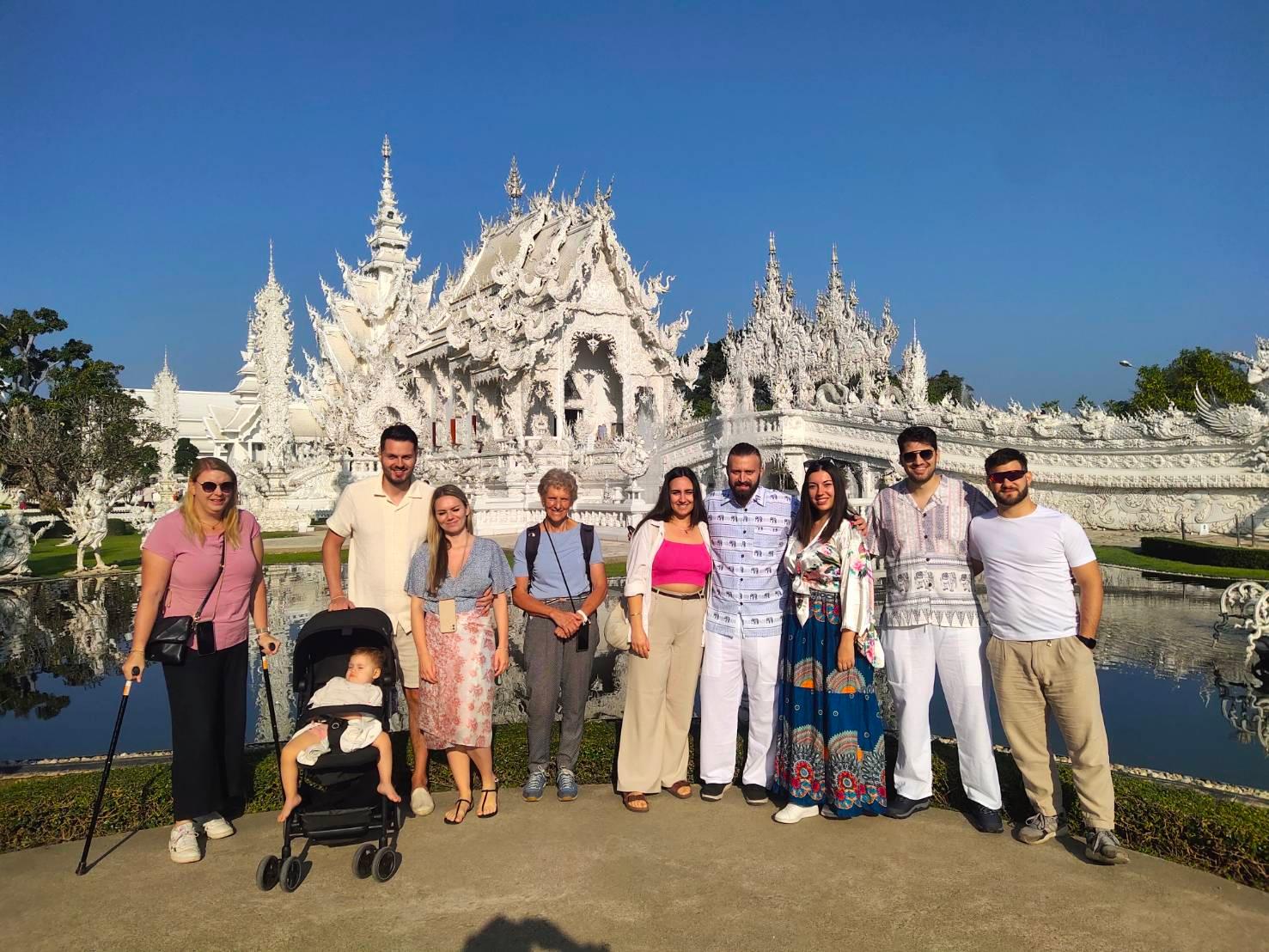
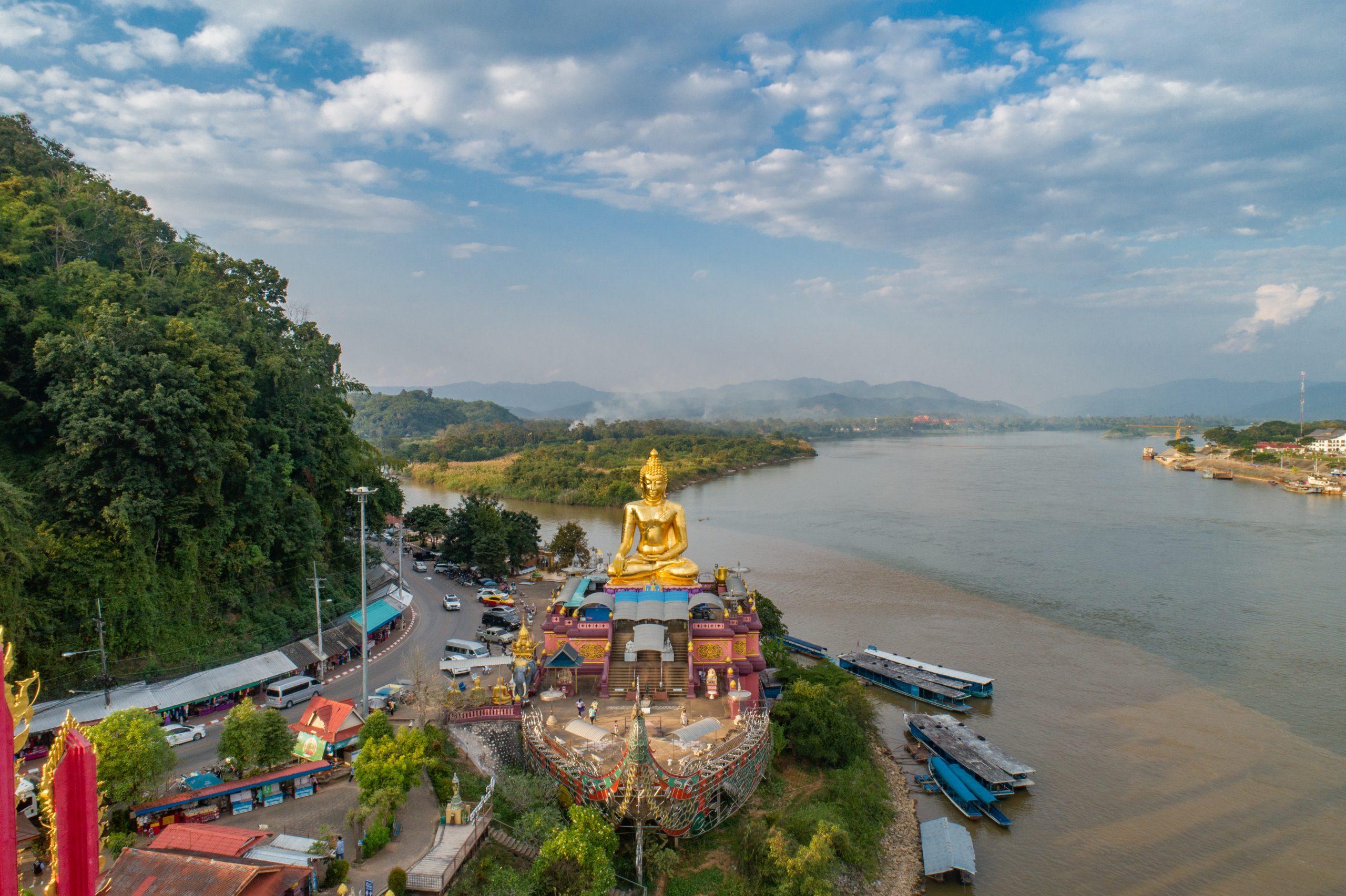
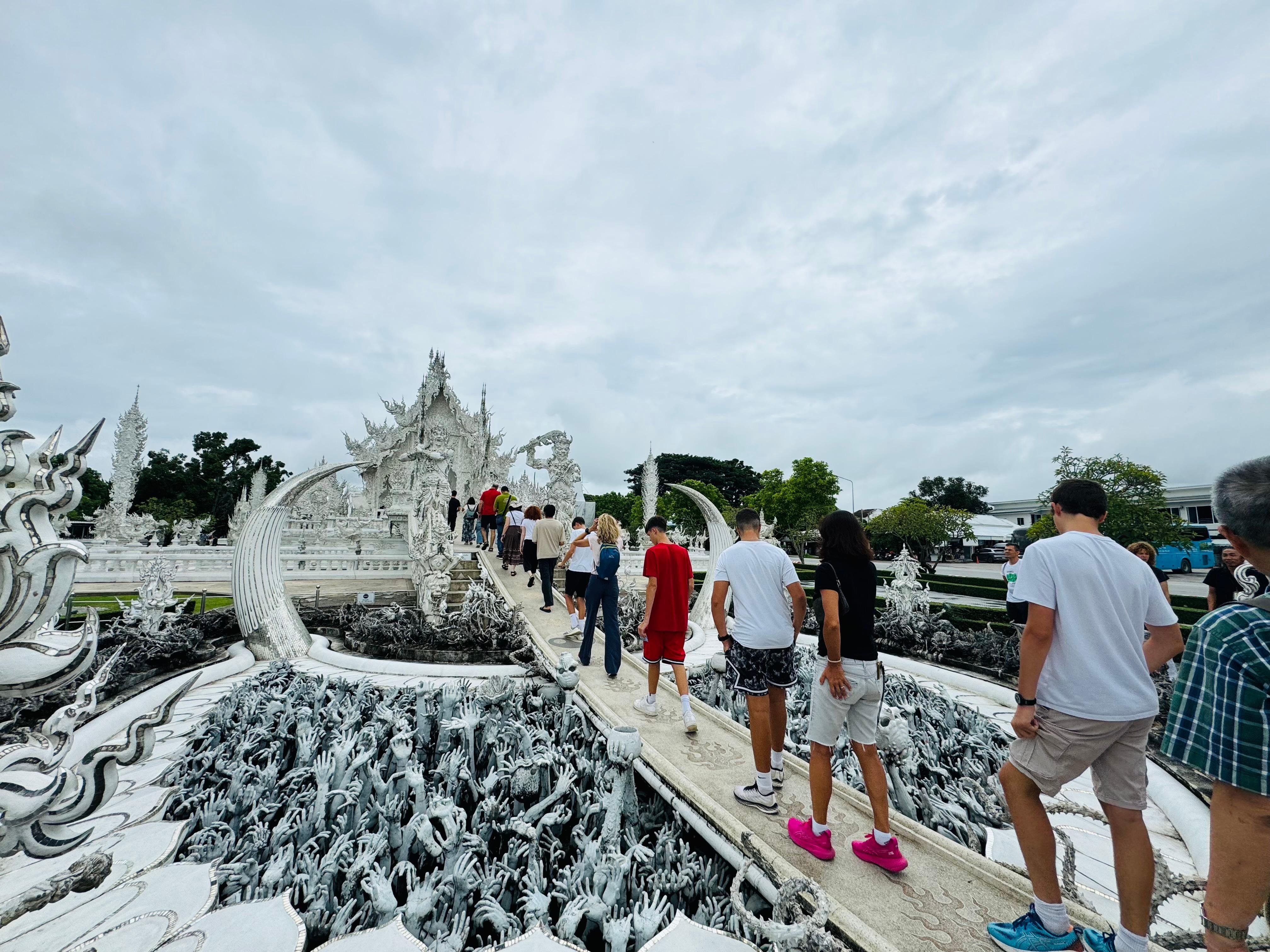
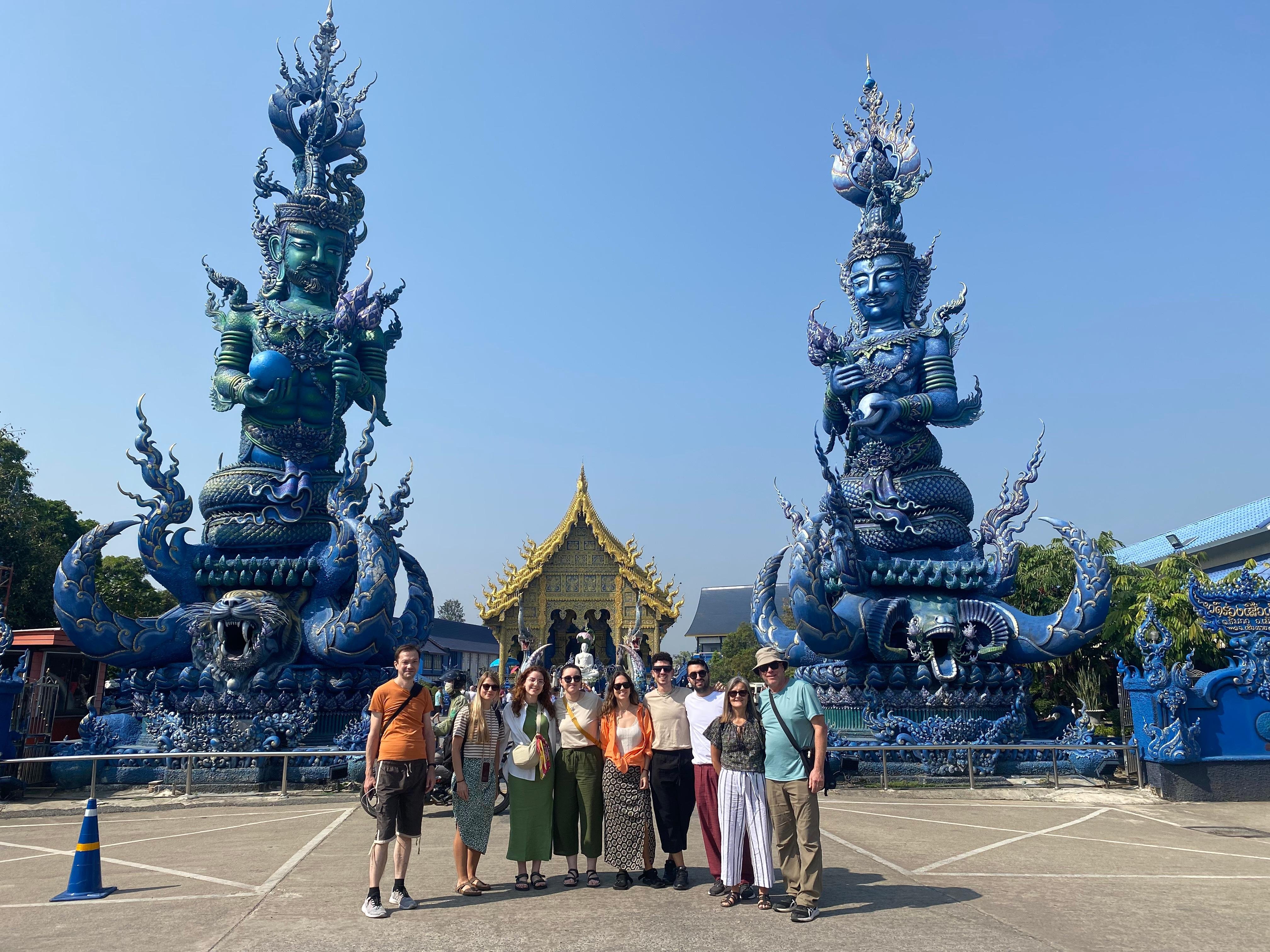
Chiang Rai Full-Day Highlights: Temples, Culture & Golden Triangle
- Expert local guide
- Small group
- Skip-the-line access
- Free cancellation
Golden Triangle Tour From Delhi — Delhi, Agra & Jaipur in One Circuit
Three cities, one road, centuries compressed into days
Compare fares, pick the fit — all bookings are mobile-voucher and eligible for free cancellation where shown.
24 hr
24 hr
10 hr
Hand-picked experiences loved by thousands of travelers
Full day (returning by 7:00 PM)
Free Cancellation
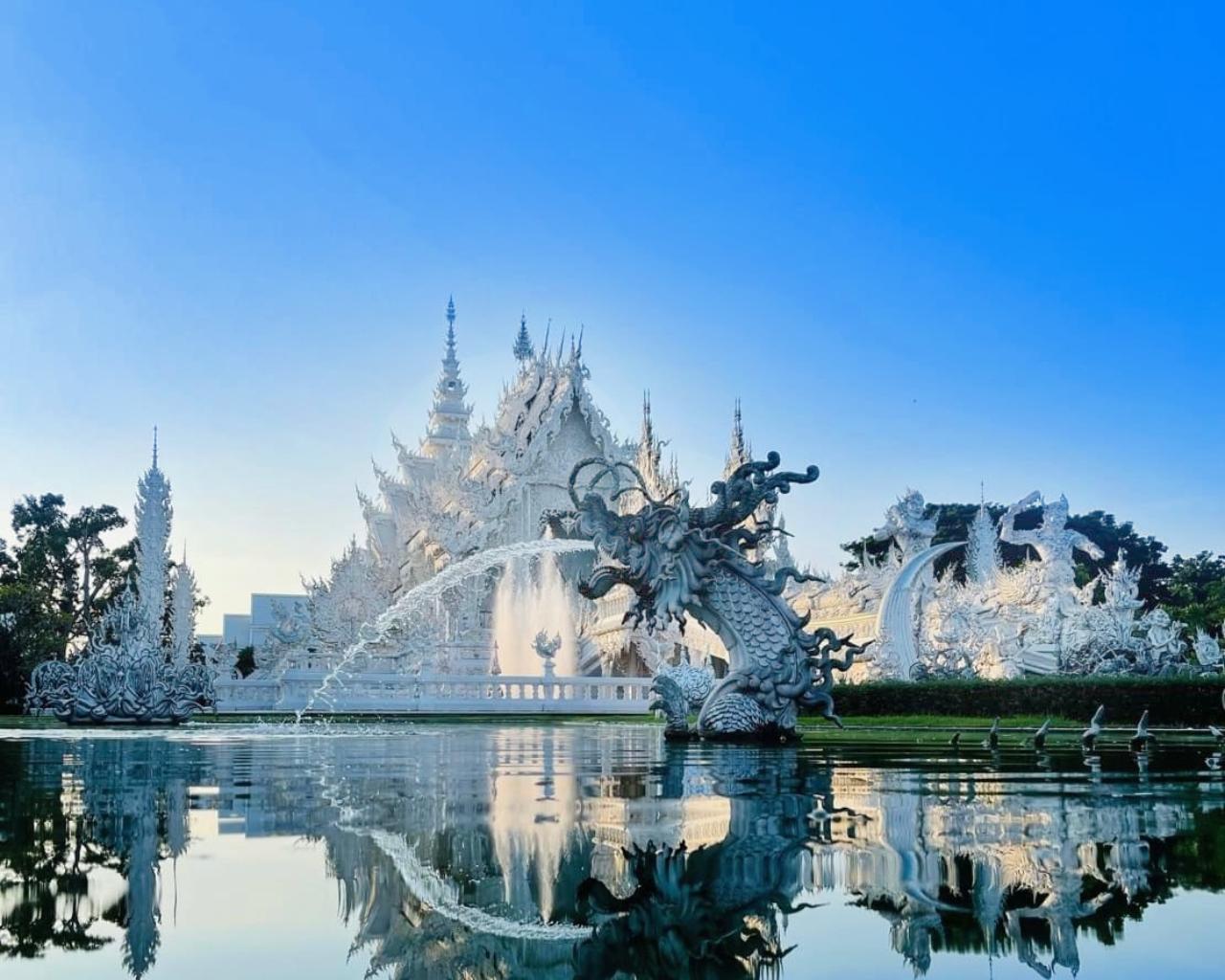
Explore Chiang Rai’s iconic temples, tribal cultures, and the legendary Golden Triangle on a full-day guided excursion.
10 hours
Free Cancellation
Explore Chiang Rai’s iconic temples and the Golden Triangle at your own pace with a private vehicle and local driver.
8 hours - 1 day
Free Cancellation
Craft your own ideal day in Chiang Rai with a private car and guide. Choose 7 stops from a wide range of iconic landmarks.
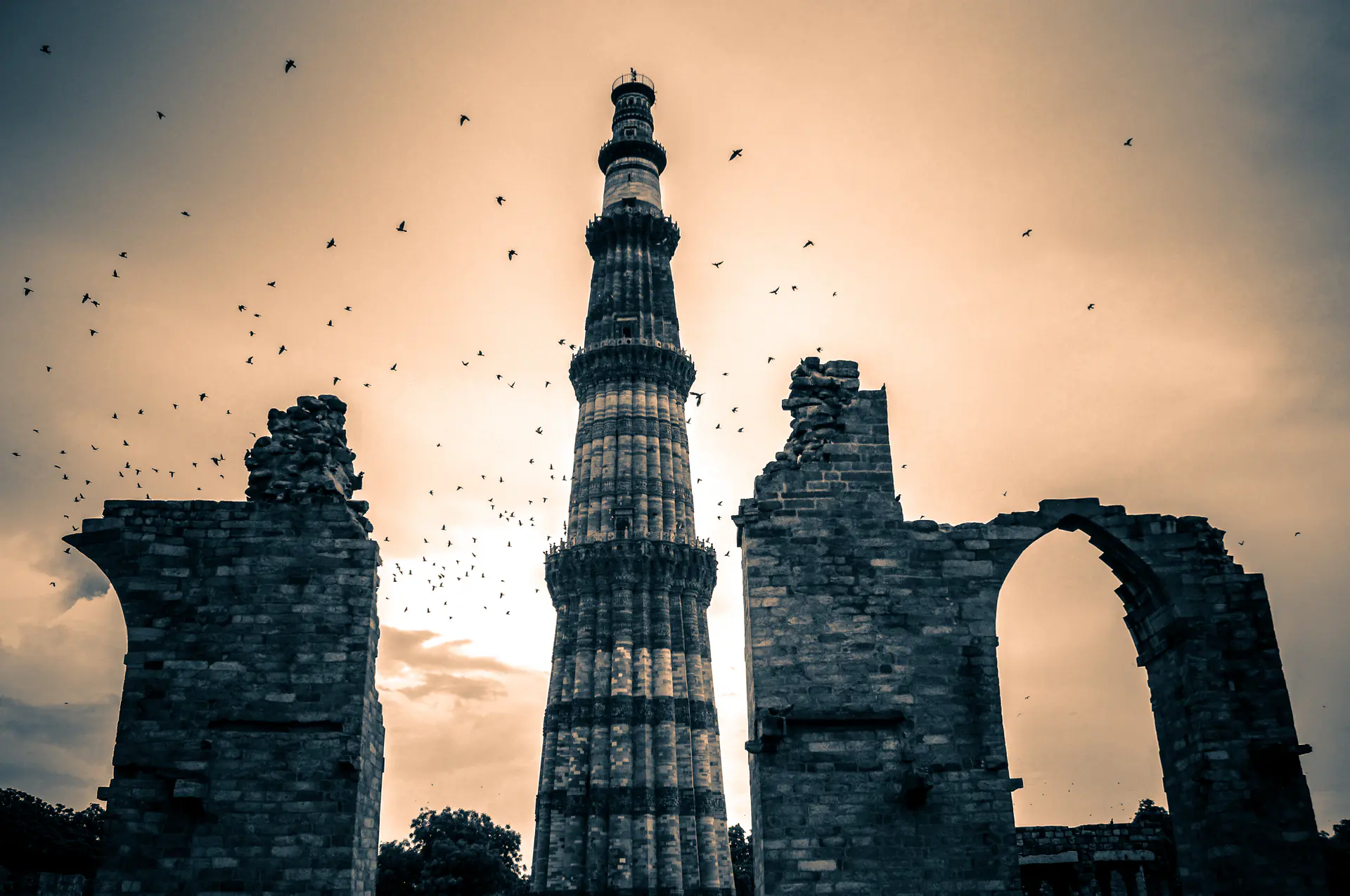
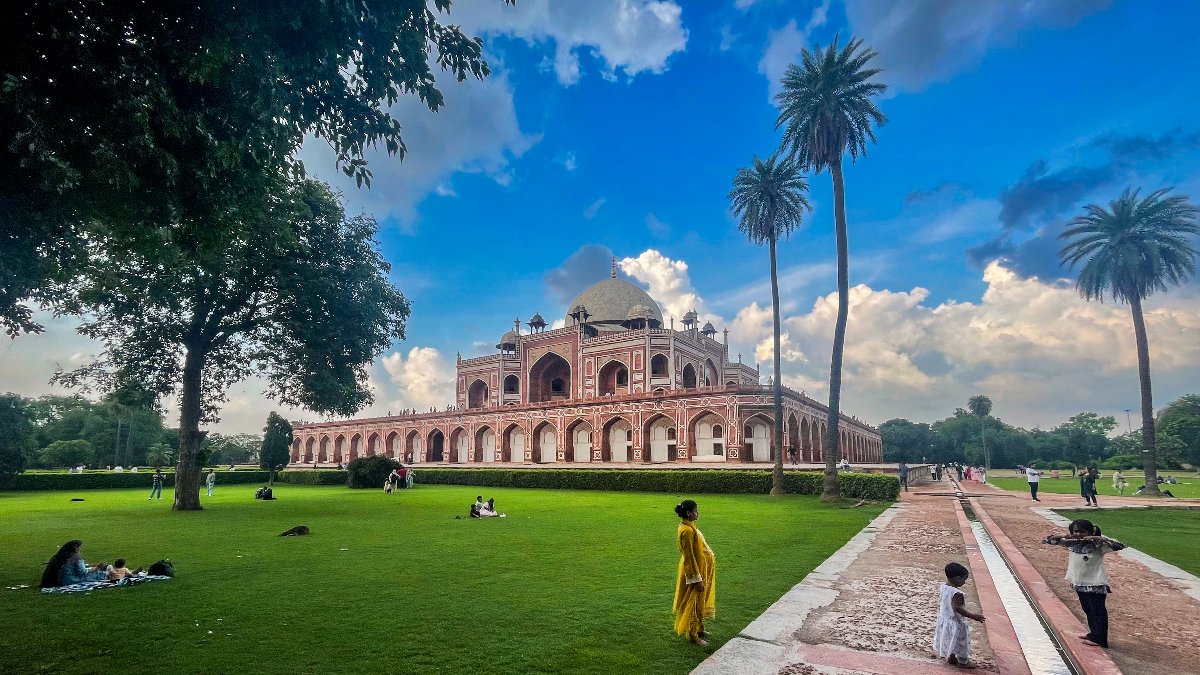
Discover ancient Delhi landmarks including the Qutub Minar, Humayun's Tomb, and the Red Fort before departing south.
Travel early to Agra to witness the sunrise at the Taj Mahal and explore the massive Agra Fort red sandstone complex.
Stop at the UNESCO World Heritage site of Fatehpur Sikri en route to Jaipur, the Pink City of Rajasthan.
Visit the hilltop Amber Fort, the Hawa Mahal wind palace, and the City Palace before returning to Delhi.
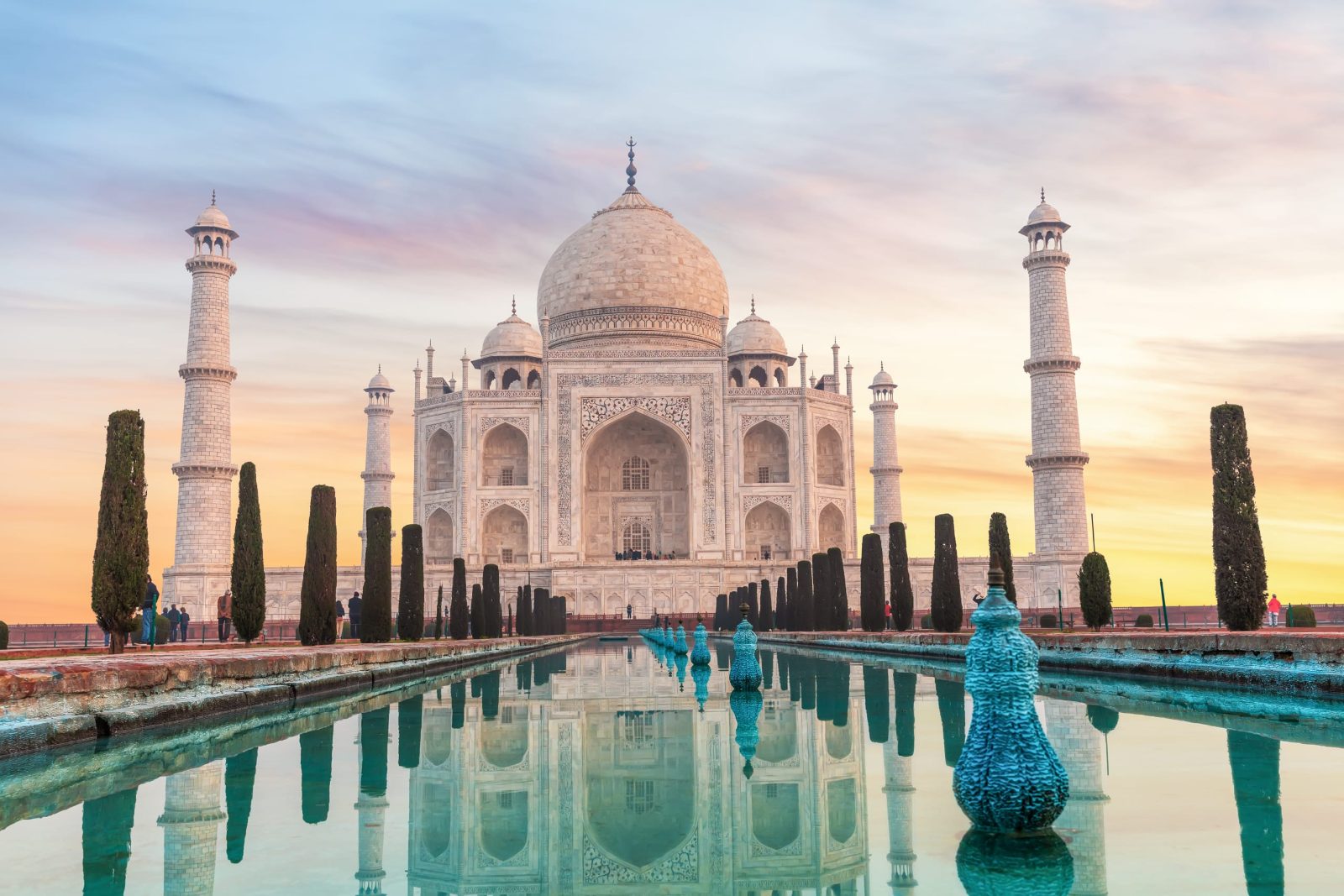
This white marble mausoleum in Agra was commissioned in 1632 by Emperor Shah Jahan to house the tomb of his favorite wife. It stands as a UNESCO World Heritage site and attracts over 7 million visitors annually.
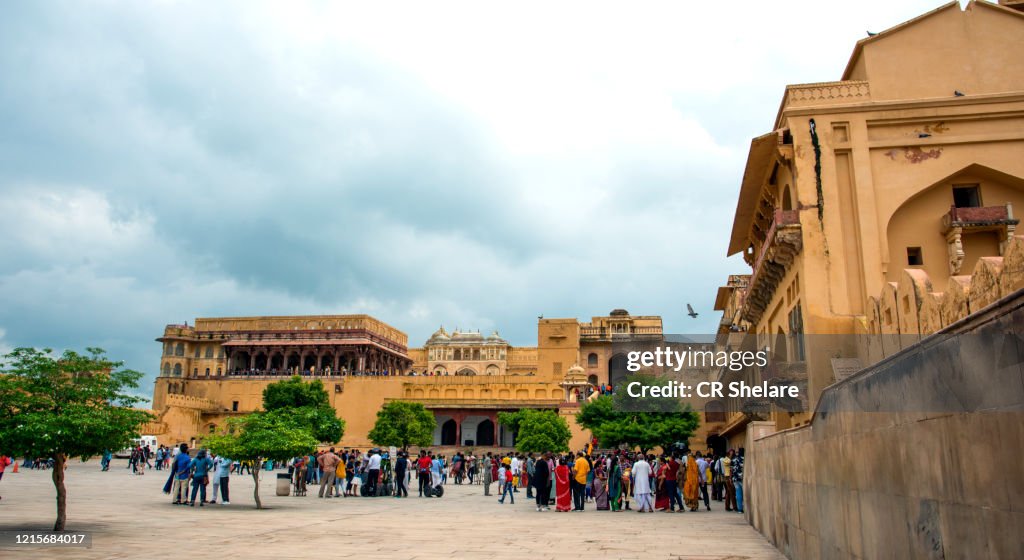
Located in Amer, Rajasthan, this hilltop fort was constructed in 1592 by Raja Man Singh I. It features a blend of Hindu and Rajput architecture and contains the famous Sheesh Mahal mirror palace.
Standing at 73 meters tall in Delhi, this five-story victory tower was initiated by Qutb-ud-din Aibak in 1199. It is constructed of red sandstone and features delicate Quranic inscriptions carved into the stone bands.
Built in 1799 by Maharaja Sawai Pratap Singh, this five-story pink sandstone palace features 953 small casements called jharokhas. The unique architectural design allowed royal women to observe street festivals without being seen.
This massive 16th-century red sandstone fortress served as the main residence of the emperors of the Mughal Dynasty until 1638. It contains impressive structures like the Jahangiri Mahal and the Khas Mahal overlooking the Yamuna River.
Founded in 1569 by Emperor Akbar, this ghost city served as the short-lived capital of the Mughal Empire. It features the Buland Darwaza, a monumental gateway standing 54 meters high, built to commemorate Akbar's victory over Gujarat.
You begin at the Central Reservation Office, Coffee Home-1, Baba Kharak Singh Marg, Connaught Place, New Delhi — doors open at 07:00, and arriving between 07:00 and 10:00 means you collect your vouchers and meet your driver before the city's mid-morning gridlock sets in. The phone number +911123365358 connects you to live support if your pickup details need confirming. From Delhi, the NH44 carries you southeast toward Agra, roughly 230 kilometres away. Your guide points out the Yamuna floodplain as you approach — the same river that mirrors the Taj Mahal's southern facade. At Agra, you pass through the eastern gate, walk the sandstone forecourt, and pause at the central reflecting pool where the marble dome appears to float. You spend close to two hours here, moving slowly through the inner chambers where the cenotaphs of Mumtaz Mahal and Shah Jahan rest beneath carved marble screens. The second morning pivots west toward Jaipur, 240 kilometres across the Rajasthan border. You climb to Amber Fort before the sun rises high enough to bake the stone, walking through the Ganesh Pol gateway into the Diwan-i-Khas. By afternoon, the walled city's bazaars offer block-printed textiles and blue pottery. Your golden triangle tour from delhi tickets cover guided entry at the major monuments, so you move past the standard queues at each site. At Jantar Mantar, you stand inside the Samrat Yantra — the world's largest sundial — and watch its shadow edge across the graduated arc at a measurable pace. You return to Delhi on day three, carrying specific images rather than a general impression.
All the details about your upcoming adventure in one place
The golden triangle tour from delhi connects three of India's most storied cities — Delhi, Agra, and Jaipur — covering Mughal architecture, Rajput forts, and UNESCO World Heritage sites along a single well-paced circuit. Golden triangle tour from delhi tours typically span 6 to 9 days, with private transport linking the capital's Red Fort and Qutub Minar to the Taj Mahal's ivory domes in Agra and the Pink City's Amber Fort in Jaipur. When booking golden triangle tour from delhi tickets, look for itineraries that include a licensed guide at each monument, so context and history deepen every stop.
The road between Delhi, Agra, and Jaipur forms one of the most-travelled cultural corridors on the subcontinent — a 720-kilometre loop that three Mughal emperors, two Rajput dynasties, and a British colonial administration each tried, in their own way, to control. The golden triangle tour from delhi draws its name not from gold itself but from the triangular geometry traced on any map of northern India when the three cities are connected: Delhi at the apex, Agra to the southeast, Jaipur to the southwest. That triangle encloses roughly 200 years of apex-level architectural ambition. Delhi's own contribution to the circuit is formidable. The Red Fort, commissioned by Shah Jahan in 1638 and completed a decade later, once housed the Peacock Throne before Nadir Shah carried it to Persia in 1739. Qutb Minar, a 72.5-metre sandstone minaret begun around 1193 by Qutb ud-Din Aibak, remains the tallest brick minaret on earth. Humayun's Tomb, completed in 1572, predates and directly inspired the Taj Mahal's bilateral symmetry. These are not incidental stops on a delhi agra jaipur itinerary — they are opening arguments in a sustained architectural conversation. Agra answers with the Taj Mahal, a mausoleum Shah Jahan ordered in 1632 for his wife Mumtaz Mahal, who died in childbirth. Some 20,000 workers and 1,000 elephants transported white Makrana marble from Rajasthan over 22 years of construction. The inlaid pietra dura panels alone contain 28 varieties of precious and semi-precious stone. Agra Fort, two kilometres away, served simultaneously as imperial residence and as Shah Jahan's prison after his son Aurangzeb deposed him in 1658 — the ageing emperor spent his final years gazing at the Taj from a tower window. Jaipur, the circuit's third vertex, was founded in 1727 by Maharaja Jai Singh II, making it one of India's first planned cities. Its grid layout, wide avenues, and the pink stucco facades mandated city-wide in 1876 to welcome the Prince of Wales give it a coherence rare in Indian urban history. The Amber Fort, perched on a ridge 11 kilometres north of the city, is older still — expanded through the 16th and 17th centuries by the Kachhwaha Rajputs, its mirrored Sheesh Mahal hall scatters candlelight across every surface. Jantar Mantar, Jai Singh's open-air astronomical observatory, contains 19 geometric instruments capable of measuring solar time to within two seconds of accuracy. The golden triangle tour from delhi tours available today range from three-day private car journeys to seven-day programmes that fold in Ranthambore for tiger tracking or Fatehpur Sikri for its ghost-city grandeur. Whatever the duration, the circuit rewards deliberate, unhurried movement — each city deepening the visitor's understanding of how Mughal ambition and Rajput resilience shaped the subcontinent's most iconic skyline.

Three cities, one triangle — and somewhere between a 72-metre minaret and a marble mausoleum, northern India's architectural argument becomes impossible to ignore.
When participating in a Golden Triangle tour from Delhi, dress conservatively to respect local customs at religious sites like the Jama Masjid. Ensure your shoulders and knees are covered, and wear slip-on shoes since footwear must be removed before entering temples.
Security screenings are mandatory at all major stops along the route. Luggage can be safely stored in your private tour vehicle, but carry a small daypack with essentials through security checkpoints at monuments.
Photography is permitted at most monuments, though standard fees apply for professional video gear. Drone photography is strictly prohibited near the Taj Mahal and other sensitive historical structures.
Families can request child seats in private transport vehicles when arranging their Golden Triangle tour from Delhi tour. Plan for frequent restroom breaks, especially when traveling along the Yamuna Expressway.
The reservation office offers ramp access at Baba Kharak Singh Marg. However, historic monuments along the tour itinerary have uneven pathways and limited wheelchair access.
Pack bottled water to stay hydrated during excursions. Stick to hygienic, highly rated restaurants recommended by your guide to avoid foodborne illnesses.
Quietest morning booking slots
Standard weekday schedule
Mid-week booking window
Moderate foot traffic
High inquiry volume
Weekend peak hours
Busy evening queries
Hours
Mon–Sun 07:00–21:00
Address
Central Reservation Office, Coffee Home-1, Baba Kharak Singh Marg, Connaught Place, New Delhi, Delhi 110001, India
Accessibility
Ramp access at reservation desk
Best Arrival
07:00–10:00
Baggage
Luggage hold before departure
Public transport · 10 minutes · 10–40 INR
Take the Delhi Metro Blue Line or Yellow Line to Rajiv Chowk Station. Exit towards Connaught Place and walk 10 minutes to the office on Baba Kharak Singh Marg.
Taxi · 25 minutes · 150–450 INR
Book an app-based cab or hire a pre-paid taxi directly to Baba Kharak Singh Marg. Drivers can drop you off directly in front of Coffee Home-1.
Walk · 15 minutes · 0 INR
If staying near Connaught Place Outer Circle, walk southwest along Baba Kharak Singh Marg past the Hanuman Temple.
Cancellations made 24 hours prior to departure receive a full refund, excluding a processing fee. The office entry and reservation consultation has an entrance fee of 0 INR (Free entry).
Weather · crowds · average price — dots go green to amber to red as each metric rises.
This is the peak tourist season with pleasant daytime temperatures ranging from 15°C to 25°C. Early morning sightseeing at monuments like the Taj Mahal is highly comfortable without intense heat.
Summer brings extreme heat, with temperatures regularly exceeding 40°C. If traveling during these months, start your daily excursions at dawn and schedule indoor museum visits during midday.
The monsoon season brings heavy rain showers and high humidity. While the countryside turns lush green, transport delays can occur due to waterlogged roads.
Winter brings heavy morning fog, which can significantly reduce visibility and delay early morning train or road departures.
Always secure your Golden Triangle tour from Delhi tickets early to avoid last-minute availability issues during peak winter travel seasons.
Keep in mind that the Taj Mahal in Agra remains closed to tourists every Friday. Structure your itinerary departure from Delhi to ensure you arrive in Agra on any other day.
Ensure your hired vehicle has commercial transport license plates (yellow plates in India) before departing the reservation office for long-distance highway travel.
Begin your daily transfers at 07:00 to escape the severe morning traffic congestion leaving Delhi towards the Yamuna Expressway.
Many monument entry ticket counters and local roadside vendors outside Delhi do not accept international credit cards. Maintain a small reserve of cash.
Only engage tour guides carrying official identification cards issued by the Ministry of Tourism to avoid unauthorized touts at major monuments.
When discussing with local guides, you may hear the route referred to by its local-language form, dilli swarnim trikon yatra.
Central Reservation Office, Coffee Home-1, Baba Kharak Singh Marg, Connaught Place, New Delhi, Delhi 110001, India
The main departure point for government-approved coach tours and private vehicle pickups.
Get directions
Real experiences from real travelers
The golden triangle tour from delhi covers three cities in a rhythm that actually makes sense — arriving at the Taj Mahal just after the pre-dawn gate opening, when the marble shifts from pale grey to warm rose, was something I had read about but underestimated. Our guide explained the inlay work up close and pointed out the optical illusion in the minarets. A full day in Agra before moving on to Jaipur felt exactly right, with no rushed museum ticking.
The Agra Fort stop that most delhi agra jaipur itineraries include is often overshadowed by the Taj, but standing on the riverside terrace where Shah Jahan was imprisoned and seeing the white dome in the distance across the Yamuna gave the whole story real weight. The afternoon light at around four o'clock turns the red sandstone almost copper-colored. Book your golden triangle tour from delhi tickets well in advance in summer — the July heat is serious and the morning slots are already gone by the time most travelers look.
We joined a classic triangle circuit originating in the capital and the Amber Fort was the standout for me personally. Riding an elephant up the ramp has been replaced by jeeps now, which honestly felt more comfortable in the heat. The mirrored Sheesh Mahal hall inside reflects a single candle flame into thousands of points of light — our guide demonstrated it with a phone torch.
The golden triangle tour from delhi covered more ground than I expected in four days and the long drives between cities can fatigue you if you are not prepared. Carry electrolytes, especially on the Agra-to-Jaipur leg. That said, the Hawa Mahal at sunrise, before the tour coaches arrive, was genuinely serene — the pink sandstone honeycomb facade faces east and catches the first light perfectly.
Starting the rajasthan and mughal heritage circuit at Qutb Minar and Humayun's Tomb in Delhi orientated us well before the bigger sites. Both monuments are UNESCO World Heritage Sites and the garden layout around Humayun's Tomb is calmer and better preserved than I expected from an entry-level stop. The golden triangle tour from delhi tours we compared all include these Delhi sites but the quality of guiding varies — ask specifically for an ASI-licensed guide.
The agra jaipur delhi sightseeing package we chose used a dedicated car and the same driver for all six days, which removed a lot of logistical anxiety. The Fatehpur Sikri detour on the way back from Agra added only ninety minutes and the ghost-city atmosphere of the abandoned Mughal capital was unlike anything else on the route. Our guide noted the acoustics of the Diwan-i-Khas were designed so the emperor could hear whispers from across the hall.
December was an excellent month for the golden triangle tour from delhi — temperatures in Agra hovered around 18 degrees Celsius, the Taj Mahal gardens were green, and the queues at all three cities were noticeably shorter than the trip reports from summer months suggested. The Jantar Mantar observatory in Jaipur is easy to underestimate from photos but the scale of the Samrat Yantra sundial, nearly 27 metres tall, is arresting in person.
We added an afternoon at Fatehpur Sikri as an extension of our north india heritage tour and the Buland Darwaza gateway, rising 54 metres above the courtyard, reframes everything you thought you knew about Mughal scale. The site was quiet on a Tuesday afternoon and our guide spent time at the Salim Chishti dargah explaining the votive thread tradition. The main triangle circuit is excellent but this extension is worth every extra kilometer.
The golden triangle tour from delhi tickets we purchased included a City Palace entry and the textile and weapons museum inside the main courtyard held my attention far longer than planned. The courtyard itself, with the four gateway peacocks in ornamental relief, is more intimate than the fort complexes. Visit late afternoon when the tour groups thin out and the sandstone picks up a warm amber tone.
Three cities in five days on the classic delhi agra jaipur circuit means roughly eight to ten hours of road time spread across the trip, which is manageable if you stop at the roadside dhabas the driver recommends rather than tourist restaurants. The Taj Mahal at the golden hour before closing, around five-thirty in the late winter afternoon, was less crowded than the morning session and the light on the western facade was richer and more directional.
Everything you need to know for your journey
The most common route for a Golden Triangle tour from Delhi runs from Delhi to Agra via the Yamuna Expressway, continues west to Jaipur via National Highway 21, and returns to Delhi.
The entrance fee to the central booking office is 0 INR (Free entry). The cost of the Golden Triangle tour from Delhi tickets varies significantly depending on whether you choose budget coach options or private luxury cars.
Yes, travelers booking a Golden Triangle tour from Delhi can choose custom private vehicle options to adjust the pacing, accommodation tiers, and specific sightseeing stops along the way.
The Central Reservation Office at Baba Kharak Singh Marg is open daily from 07:00 to 21:00 for booking inquiries and tour departures.
Yes, travelers booking a Golden Triangle tour from Delhi can opt for packages that include skip-the-line privileges at busy monuments to bypass queue lines.
A typical circuit requires at least three to four days to explore the essential sights in Delhi, Agra, and Jaipur without rushing.
Prohibited items during a Golden Triangle tour from Delhi include large luggage inside monument grounds, drones, weapons, tripods, and flammable objects.
Depending on the package selected, a Golden Triangle tour from Delhi tour can include daily buffet breakfasts at hotels, while lunch and dinner are typically self-funded at local restaurants.
Standard itineraries cover key Delhi landmarks such as the Qutub Minar, Humayun's Tomb, India Gate, and the Red Fort before the journey continues to Uttar Pradesh.
The best arrival window to book your trip or depart from the central office is between 07:00 and 10:00 to avoid heavy city traffic.
A prominent Sikh house of worship known for its large holy pool and community kitchen serving free meals to thousands daily.
An outdoor equinoctial observatory built by Maharaja Jai Singh II, featuring 13 architectural astronomy instruments.
An ancient temple dedicated to Lord Hanuman, believed to date back to the Mahabharata era.
One of the oldest church buildings in New Delhi, featuring Italian architecture and peaceful manicured gardens.
A historic five-star hotel showcasing heritage art collections and colonial-era architecture near Janpath.
A modern hotel situated in the lively Connaught Place outer circle, offering comfortable rooms and wellness facilities.
Several boutique backpacker hostels are located within the inner and outer circles of Connaught Place, offering social lounges and budget dorms.
Join thousands of happy travelers who have discovered this incredible experience
Book Your Experience Now